
Introduction
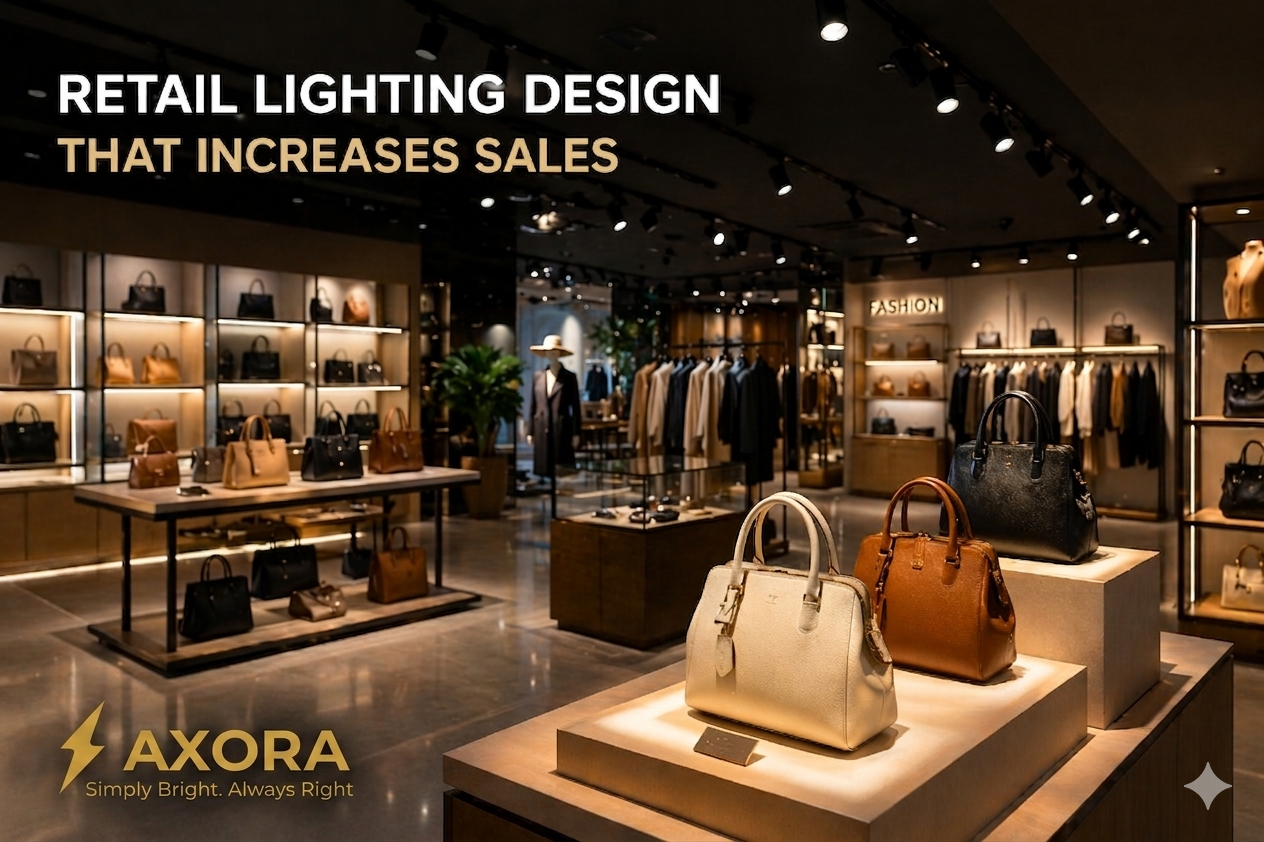
Retail lighting is not just about visibility — it directly influences how customers perceive products and make purchasing decisions.
A well-designed lighting system can highlight key products, create atmosphere, and guide customer movement within the store.
In this guide, we will show you how to design retail lighting that not only looks good — but also increases sales.
1. Why Lighting Matters in Retail
Lighting affects:
• Product visibility
• Customer attention
• Store atmosphere
• Buying behavior
Poor lighting makes products look flat.
Good lighting creates focus and value perception.
LED track lighting is widely used in retail spaces to highlight products and create contrast.
2. Use Layered Lighting Strategy
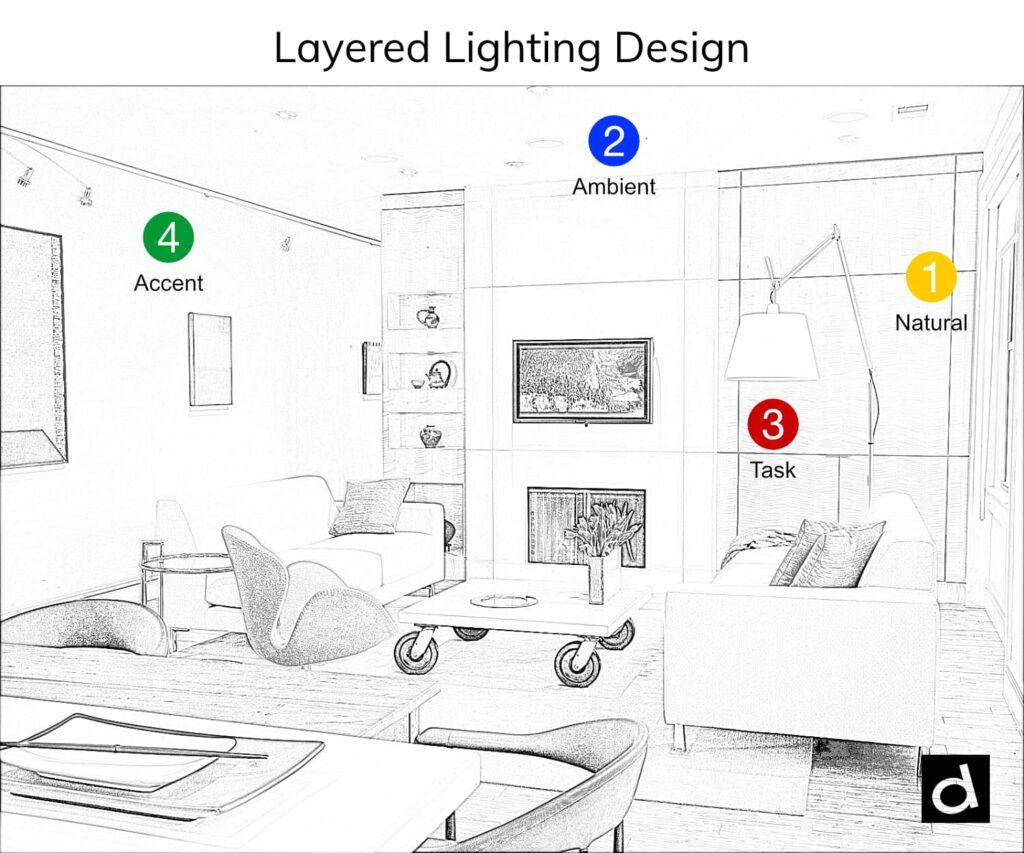
A successful retail lighting design uses three layers:
Ambient Lighting
General lighting for overall visibility
Accent Lighting
Highlights key products
Decorative Lighting
Enhances brand identity
Each layer plays a different role in shaping the customer experience.
👉Learn more about showroom lighting strategies in this article:Track Lighting Showroom Design.
3. Focus on Beam Angle
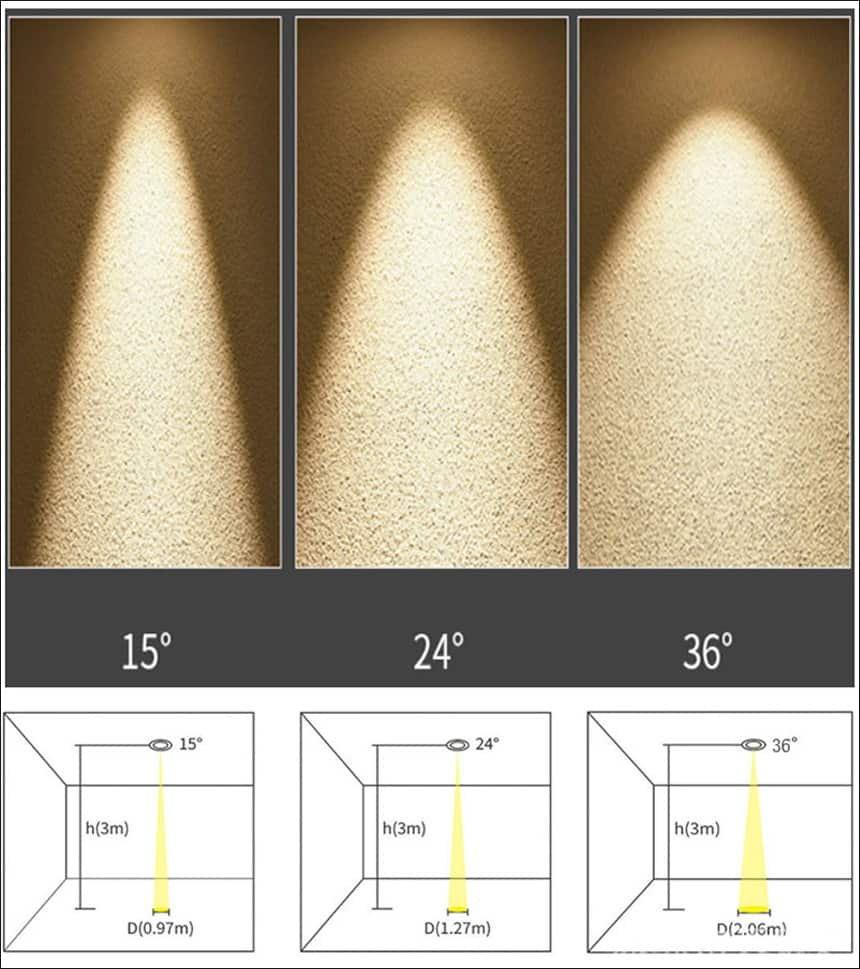
Beam angle determines how light is distributed.
• Narrow beam (15°–24°) → focus products
• Medium beam (24°–36°) → balance
• Wide beam (36°+) → general lighting
Choosing the correct beam angle ensures the right balance between brightness and focus.
👉For a deeper understanding, read: Beam Angle Lighting.
4. Highlight Key Products
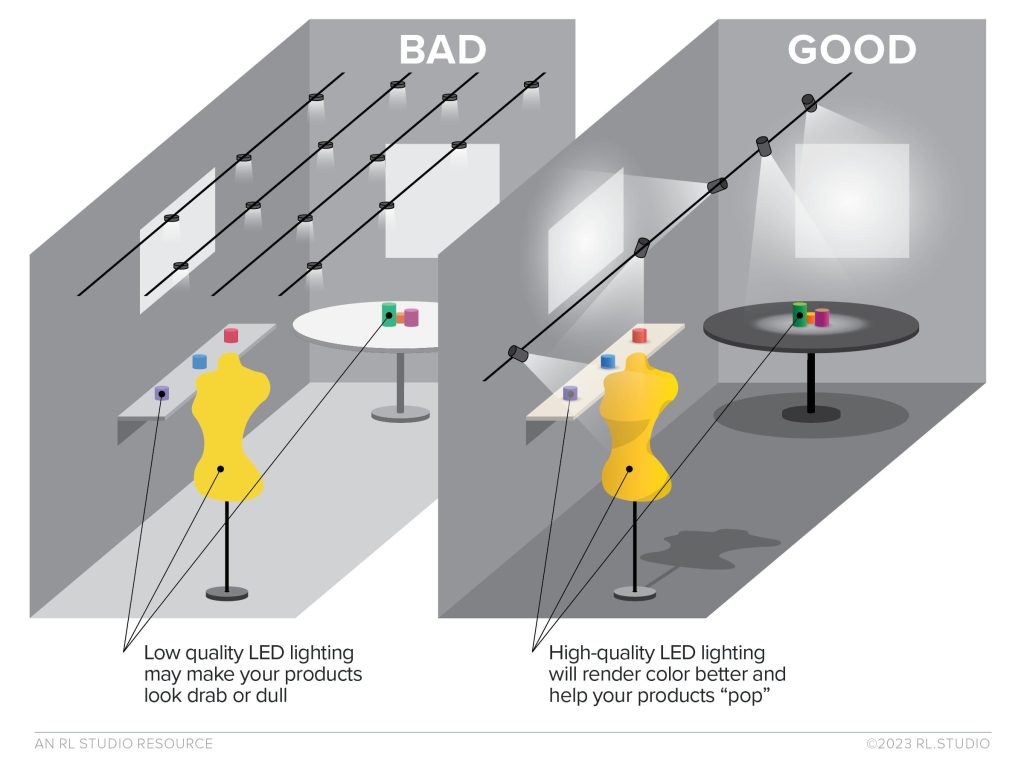
Not all products should have the same lighting.
Use accent lighting to:
• Highlight premium items
• Create visual hierarchy
• Guide customer attention
Track lighting is especially effective because it can be adjusted based on display changes.
5. Use Lighting to Guide Movement
Lighting can direct customers through the store.
Bright areas attract attention.
Darker areas create contrast.
This helps increase dwell time and improves product discovery.
6. Choose the Right Lighting Fixtures
Different fixtures serve different purposes:
• Track lights → flexible spotlighting
• Downlights → clean general lighting
• Linear lights → modern and uniform
Selecting the right combination ensures both functionality and aesthetics.
7. Consistency Matters in Large Projects
In retail chains and shopping malls, consistency is critical.
Lighting must remain:
• Uniform across locations
• Stable in performance
• Easy to maintain
A project-oriented lighting approach ensures long-term reliability and scalability.
Conclusion
Retail lighting is not decoration — it is strategy.
A well-designed lighting system improves product visibility, enhances brand perception, and ultimately increases sales.
Planning a retail or showroom project?