
Lighting control is no longer optional in modern commercial projects.
From retail stores to office spaces, dimming systems play a critical role in energy efficiency, visual comfort, and user experience.
But when it comes to choosing between DALI and 0–10V dimming, many designers and contractors are unsure which system is more suitable.
What is DALI Dimming?
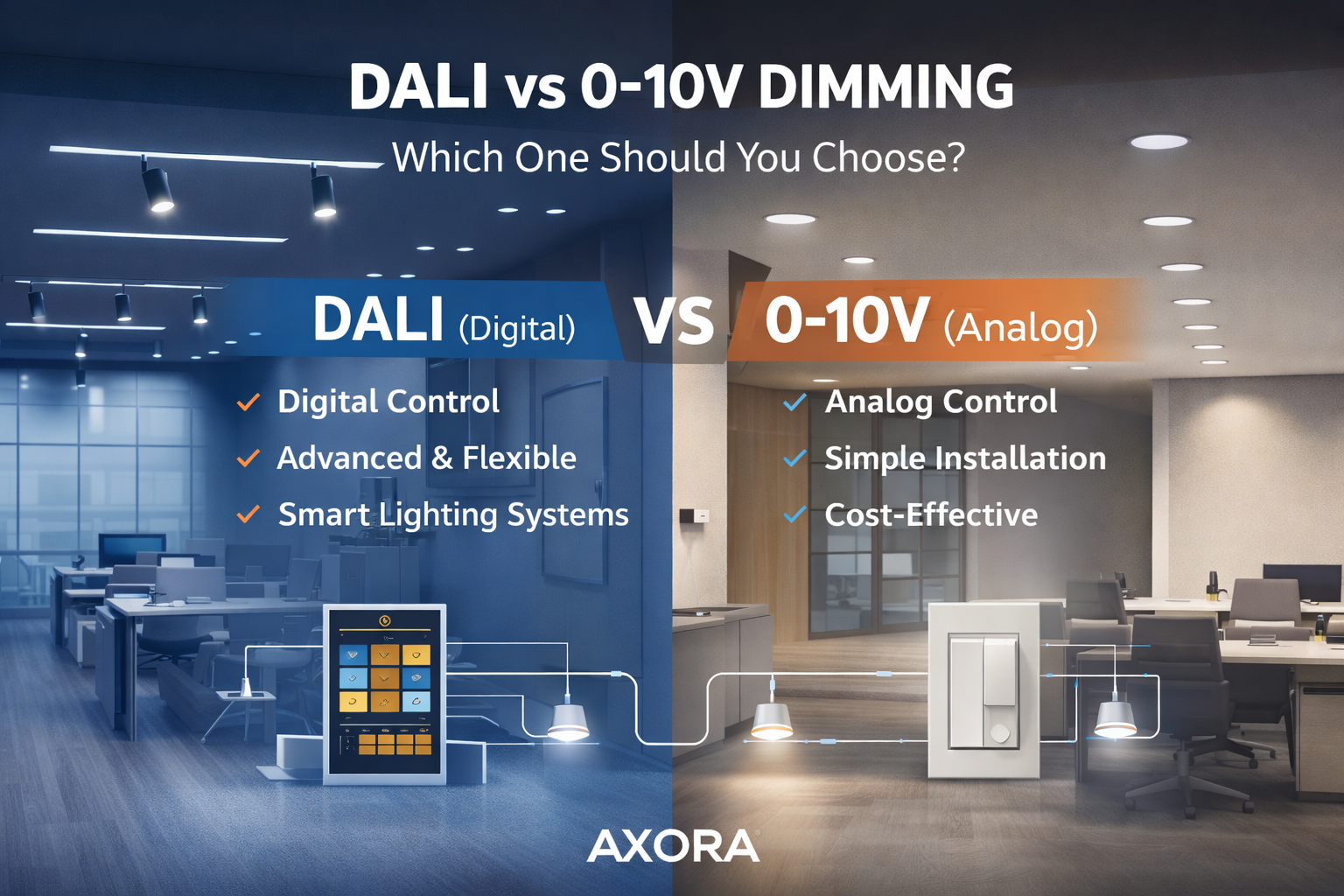
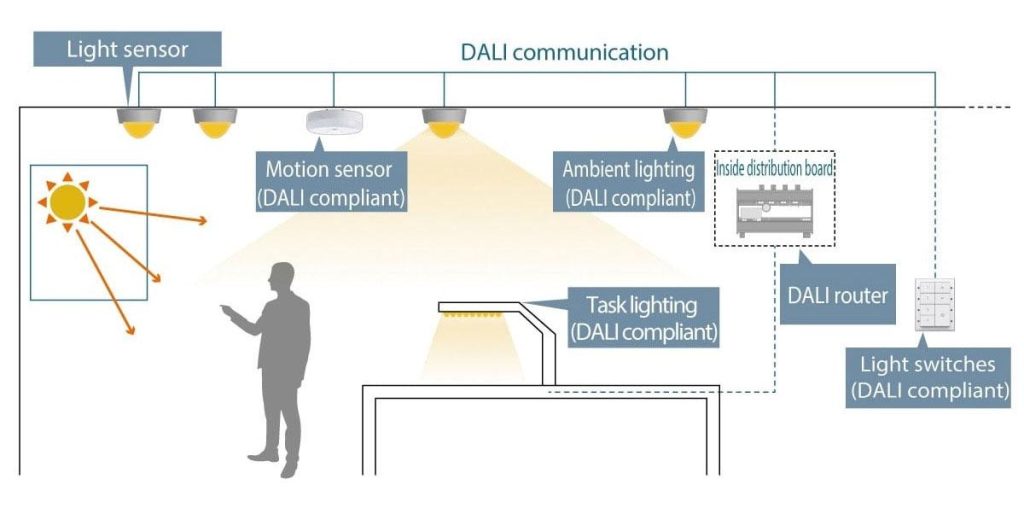
DALI (Digital Addressable Lighting Interface) is a digital lighting control system that allows each fixture to be individually controlled.
It enables advanced features such as:
- Individual addressing
- Scene setting
- Group control
- Feedback and monitoring
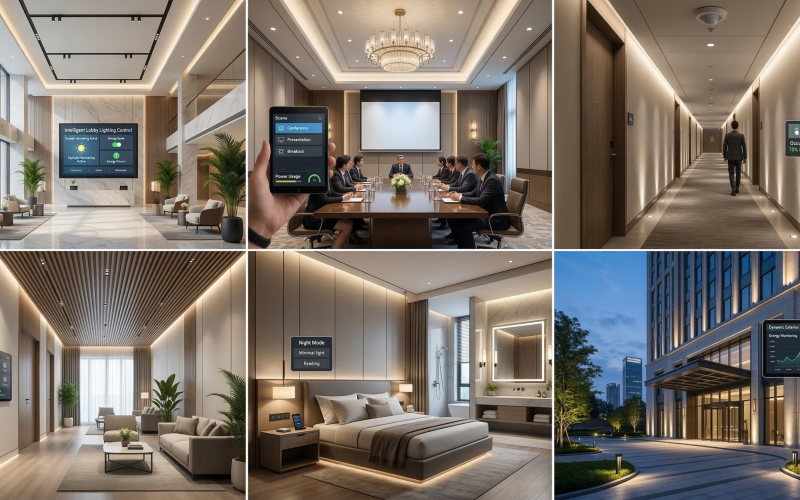
This makes DALI widely used in high-end commercial projects such as retail spaces and shopping malls, where advanced lighting control is required.
👉 You can also explore how lighting design impacts retail environments in our guide:
How to Design Retail Lighting That Increases Sales
What is 0–10V Dimming?
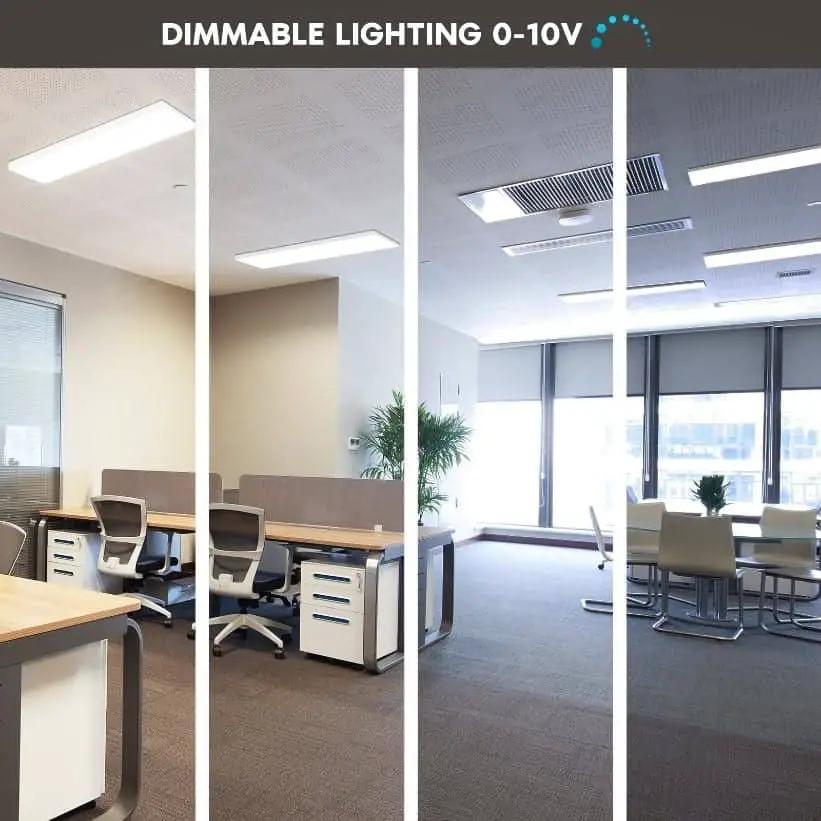
0–10V dimming is commonly used in offices and basic commercial applications where simple control is sufficient.
👉 For example, recessed downlights are often paired with 0–10V systems in office lighting projects.
Key characteristics:
- Simple wiring
- Cost-effective
- Stable performance
👉 Commonly used in:
- Offices
- Retail stores
- Basic commercial applications
Key Differences Between DALI and 0–10V
| Feature | DALI | 0–10V |
|---|---|---|
| Control Type | Digital | Analog |
| Precision | High | Medium |
| Installation | More complex | Simple |
| Flexibility | Very high | Limited |
| Cost | Higher | Lower |
| Feedback | Yes | No |
When to Choose DALI
DALI is recommended for complex lighting environments such as shopping malls and large retail projects.
👉 In these applications, track lighting systems are often integrated with smart control solutions for better flexibility.
- You need smart lighting control
- The project is large-scale or multi-zone
- Lighting scenes are required
- Long-term flexibility is important
👉 Typical projects:
- Shopping malls
- Hotels
- Airports
- Smart offices
When to Choose 0–10V
0–10V is suitable when:
- Budget is limited
- System simplicity is preferred
- No complex control is required
👉 Typical projects:
- Small retail stores
- Offices
- Showrooms
For smaller projects such as showrooms, simple dimming solutions are often sufficient.
👉 You may also consider different lighting strategies depending on your project type:
Best Lighting for Showrooms: How to Highlight Products Effectively
How Dimming Affects Lighting Design
Dimming is not only about brightness control.
It directly impacts:
- Visual comfort
- Energy efficiency
- Product presentation
- Space atmosphere
Dimming is not only about brightness control — it directly affects how light interacts with space and materials.
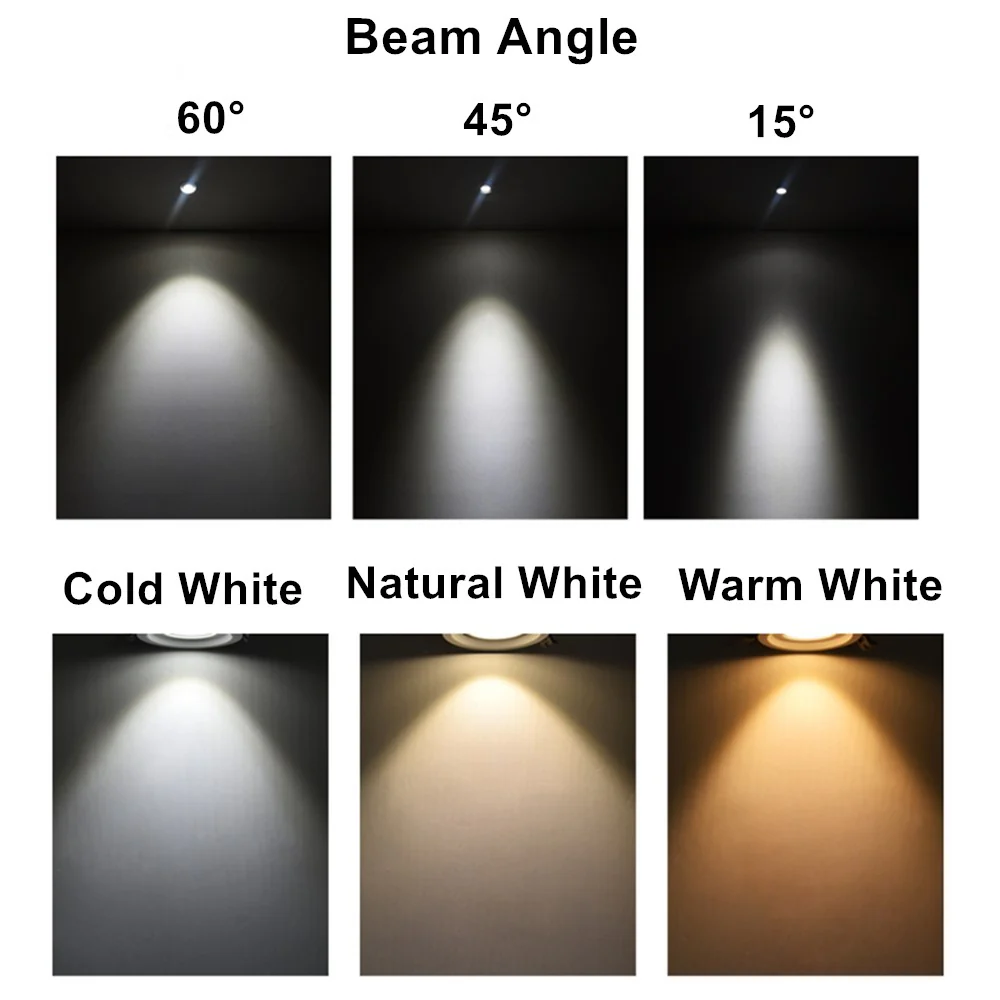
👉 For example, beam angle selection plays a key role in how lighting focuses on products.
👉 Learn more in our detailed guide:
What is Beam Angle in Lighting? How to Choose 15° / 24° / 36°
AXORA Lighting Solutions
At , we support both DALI and 0–10V dimming systems across our commercial lighting range, including:
Our solutions are designed to ensure:
- Stable dimming performance
- Consistent light output
- Compatibility with commercial control systems
Conclusion
Both DALI and 0–10V dimming have their advantages.
The right choice depends on:
- Project size
- Budget
- Control requirements
- Future scalability
Understanding these differences helps ensure better lighting performance and long-term project success.

👉 Planning a commercial lighting project?
👉 Need help choosing the right dimming system?
Request a Quote | Download Catalog | Contact Us