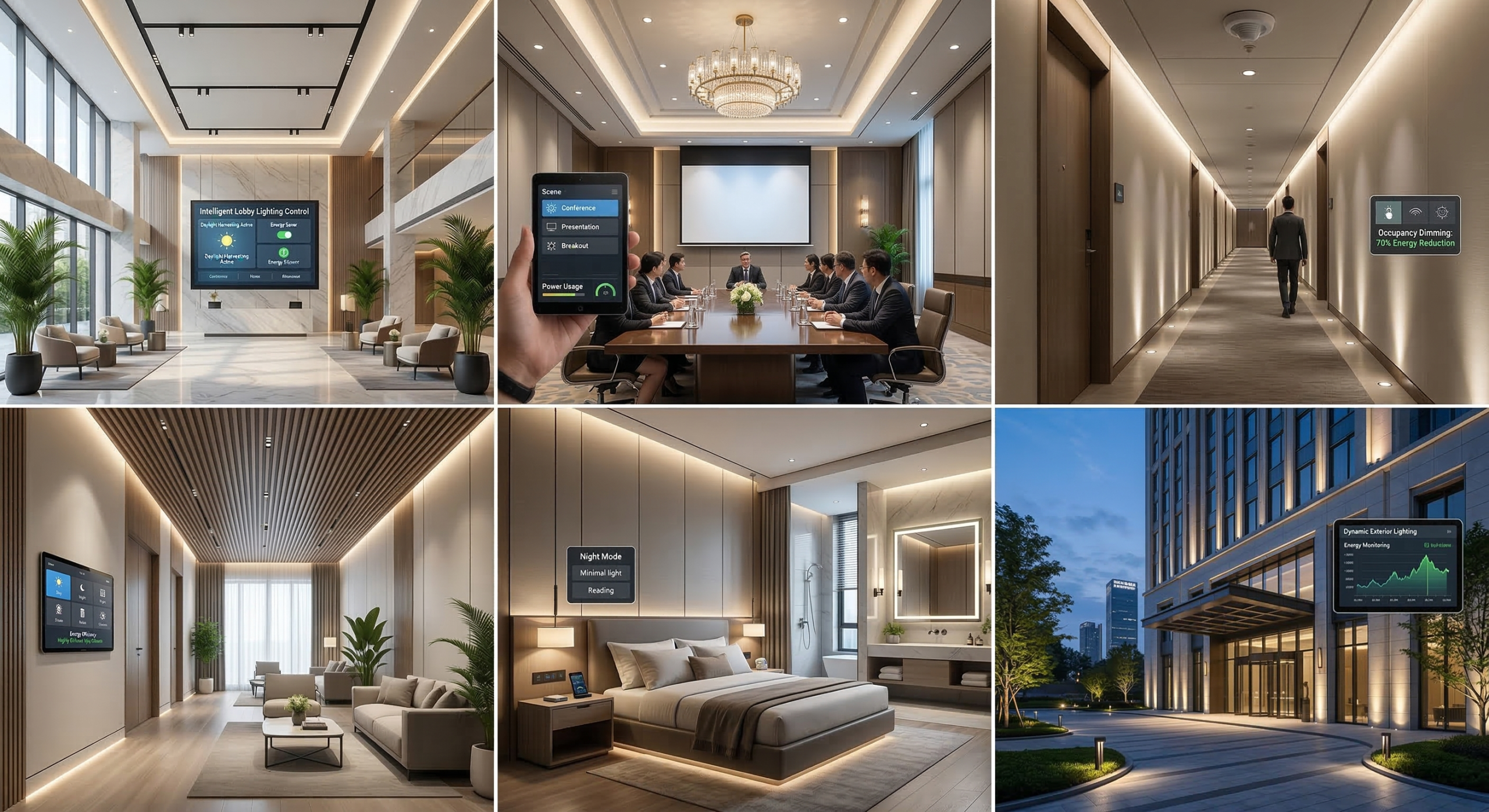
The commercial lighting landscape is changing rapidly. Facility managers and designers are seeking solutions that balance energy efficiency, operational control, and occupant comfort. In 2026, several key trends will shape offices, hotels, and retail environments, helping businesses stay competitive and sustainable.
Smart lighting trends shaping modern spaces
1.Integration of Smart Lighting Systems
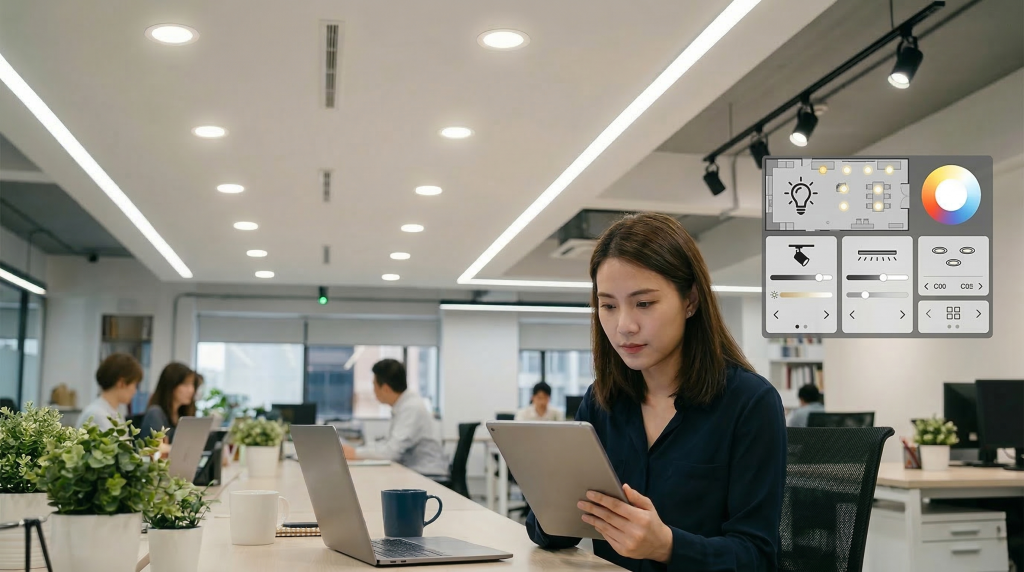
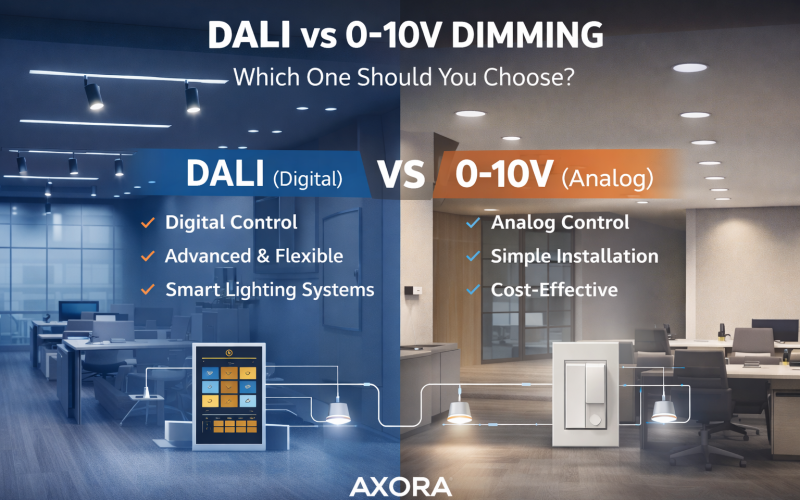
- Smart lighting systems are becoming more common in commercial buildings. These systems use IoT technology to allow centralized control and automation.
- For example, facility managers can adjust brightness levels, set lighting schedules, and monitor energy use from one platform. As a result, lighting becomes easier to manage and more efficient.
- In addition, smart lighting can create different lighting scenes for different activities. Meeting rooms, collaborative spaces, and workstations often require different lighting levels.
- Therefore, smart lighting systems help offices become more flexible while reducing energy waste.
2.Energy Efficiency as a Standard
- Energy efficiency is no longer a premium feature — it is now the baseline expectation for commercial buildings.
- Compared with traditional lighting technologies, commercial LED lighting systems can reduce energy use by more than 50%, making them a key component of sustainable building strategies.
- High-efficiency LEDs, combined with adaptive dimming controls and occupancy sensors, are becoming baseline expectations rather than premium options.Energy-efficient lighting reduces operational costs and supports sustainability initiatives.
3.Human-Centric Design
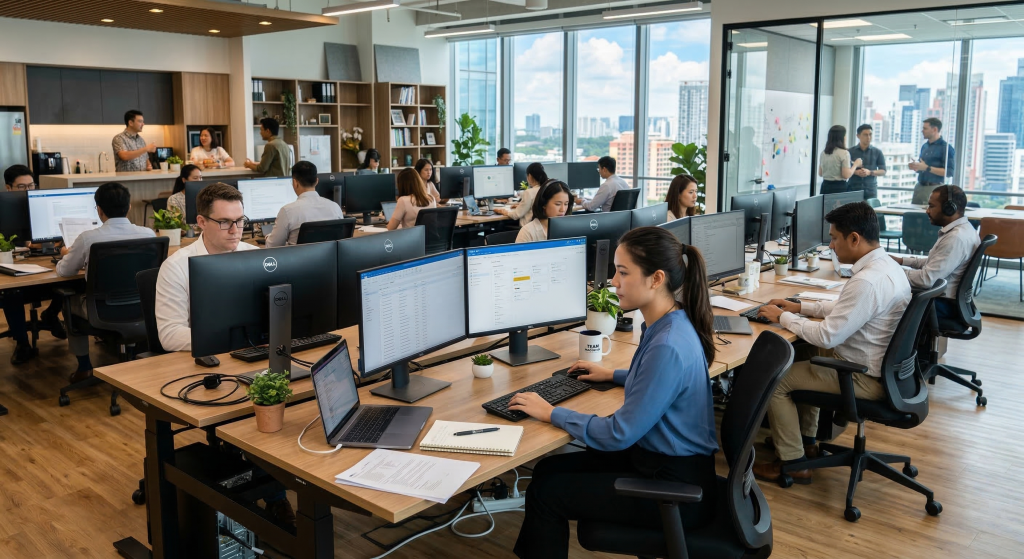
- Human-centric lighting focuses on how lighting affects people. It supports natural circadian rhythms by adjusting brightness and color temperature throughout the day.
- In offices, this type of lighting can improve employee comfort and concentration. It may also help reduce fatigue during long working hours.
- Meanwhile, in hotels and hospitality spaces, lighting helps create relaxing and welcoming environments for guests.
- Because of these benefits, many designers now include human-centric lighting strategies in workplace and hospitality projects.
4.Sustainable Materials and Long-Life Fixtures
- Architects and lighting designers increasingly prioritize recyclable materials and modular designs that can adapt to evolving spatial needs.
- Long-lasting fixtures reduce waste and maintenance costs while supporting green building certifications such as LEED and WELL.
- Manufacturers are also focusing on designs that allow components to be replaced or upgraded rather than replacing the entire fixture.
5.Flexible and Adaptive Solutions
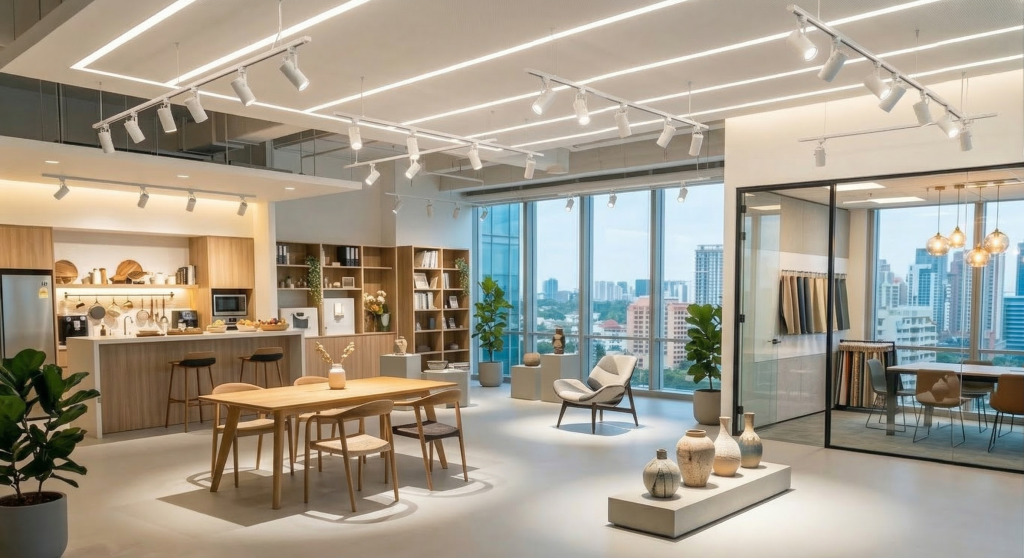
- Modern commercial spaces need lighting systems that can easily adapt to changing layouts and functions.
- Modular LED track lighting systems are widely used in retail stores, showrooms, galleries, and multi-purpose spaces because they allow lighting positions and beam angles to be easily adjusted.
- Modular track lights and adjustable fixtures allow rapid reconfiguration of retail spaces, co-working offices, and multi-purpose venues, meeting both functional and aesthetic requirements.
Whether designing a modern office, a luxury hotel, or a dynamic retail environment, choosing the right lighting system is essential to achieving both functional and aesthetic goals. Adopting these trends can transform commercial spaces into energy-efficient, user-friendly, and visually appealing environments.
Looking for professional commercial lighting solutions?
Explore AXORA’s smart commercial lighting solutions designed for modern buildings.