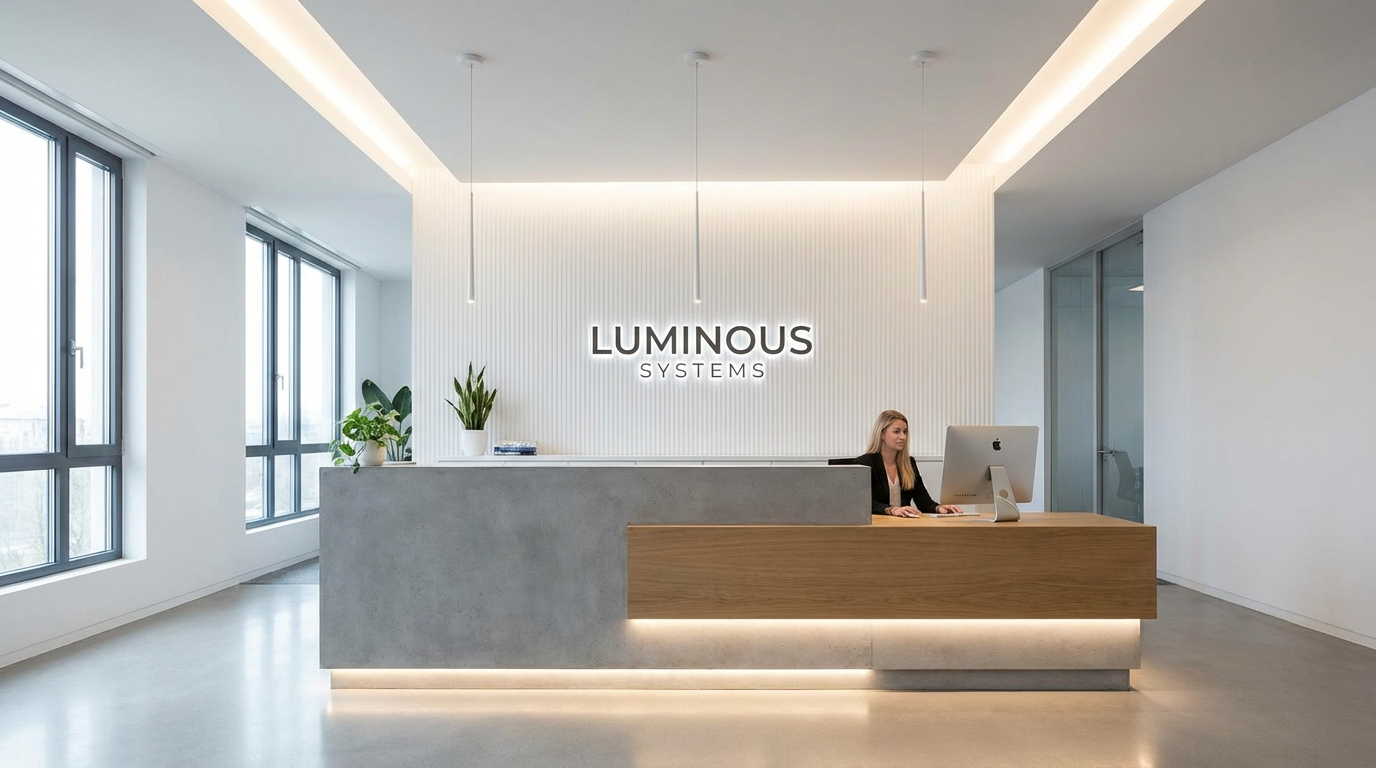
Walk into a modern retail store or a newly designed office today, and one thing becomes immediately clear: lighting is no longer just about brightness. Instead, it shapes the entire experience of a space. From guiding customer attention in retail environments to improving productivity in workplaces, lighting has become a core element of interior design.
As businesses continue to rethink how their spaces function, commercial lighting is evolving rapidly. Designers, architects, and facility managers are now prioritizing solutions that combine energy efficiency, flexibility, visual comfort, and aesthetics.
So, what lighting trends will define retail and office environments in 2026? Below are the key commercial lighting trends that are shaping the future of modern business spaces.
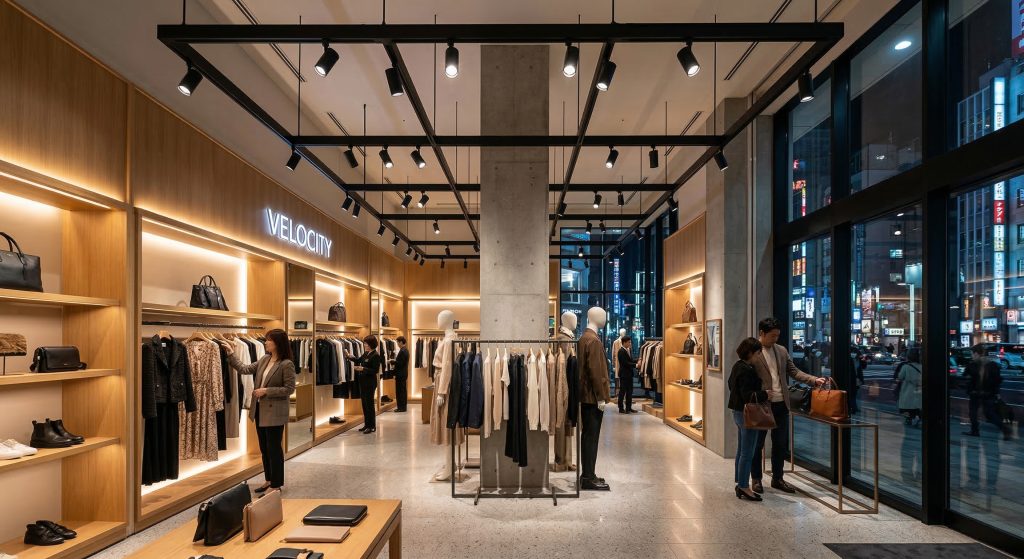
1. Smart Lighting Systems Become the New Standard
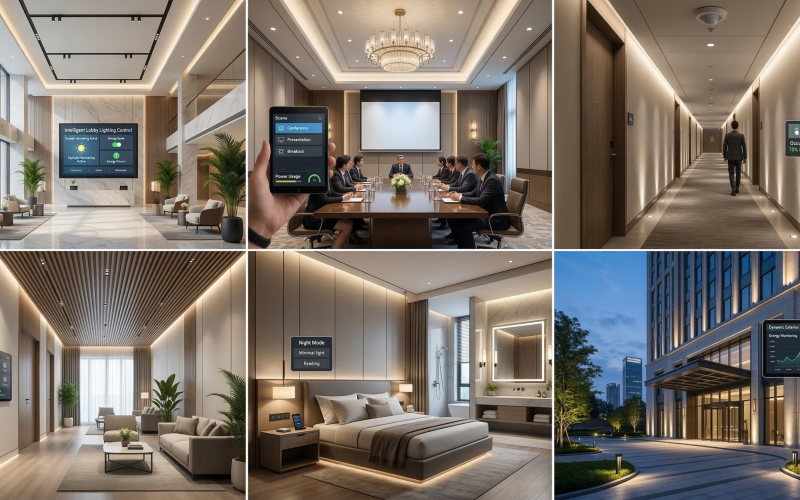
One of the most significant developments in commercial lighting is the rise of smart lighting systems. Instead of relying on fixed brightness levels, modern lighting installations can now adapt to changing conditions.
For example, smart systems can automatically adjust brightness depending on daylight levels, occupancy, or time of day. As a result, businesses can significantly reduce energy consumption while maintaining optimal lighting conditions.
In office environments, smart lighting also improves employee comfort. Meanwhile, in retail spaces, it allows lighting scenes to change throughout the day to enhance product displays.
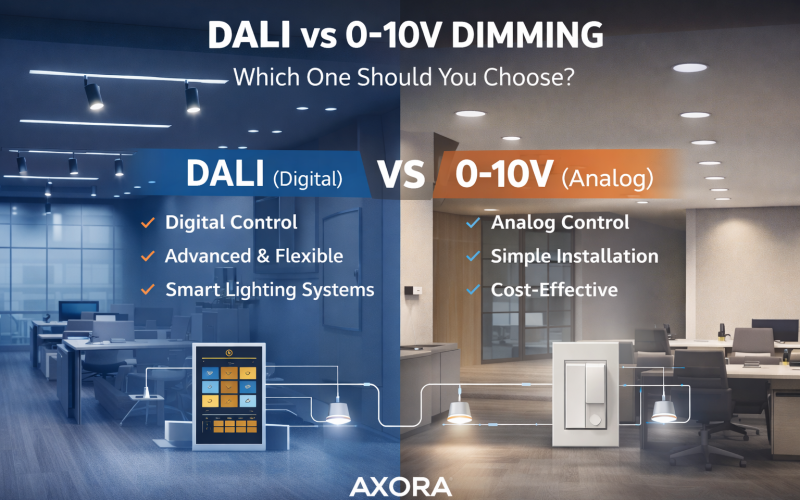
Because of these benefits, technologies such as motion sensors, daylight harvesting, and DALI-based control systems are becoming increasingly common in commercial projects.
2. Magnetic Track Lighting Continues to Grow in Popularity
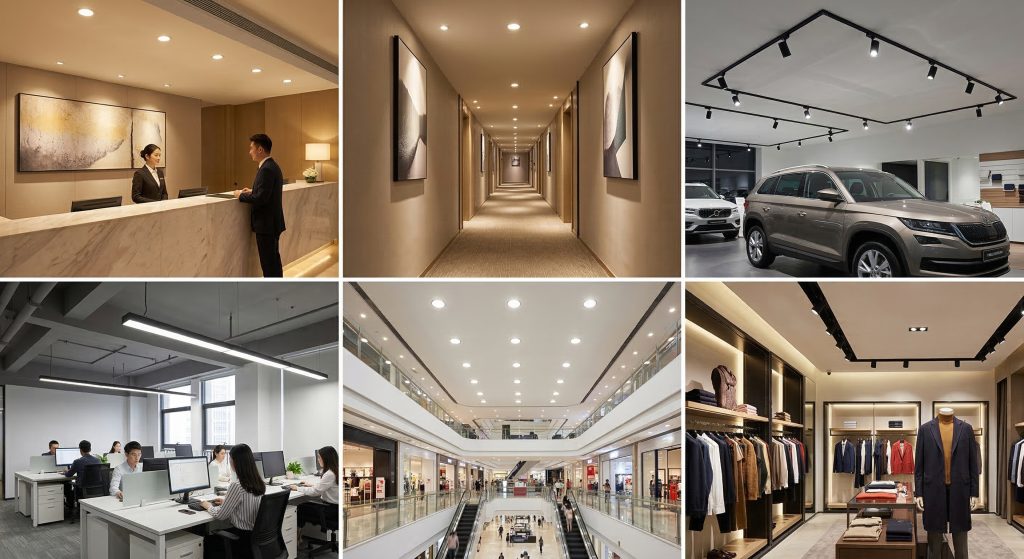
Flexibility has become a key priority in modern commercial interiors. Retail stores frequently update product displays, and offices often redesign layouts to accommodate new working styles. Therefore, lighting systems must be adaptable.
Magnetic track lighting systems have emerged as a popular solution for this challenge. Unlike traditional lighting installations, magnetic tracks allow designers to insert, move, or replace lighting modules quickly without changing the ceiling structure.
Different lighting modules can also be combined within the same system, including:
- Spotlights for accent lighting
- Linear lights for general illumination
- Grille lights for low-glare environments
- Pendant lights for decorative effects
Because of this modular design, magnetic track lighting provides both functional flexibility and a clean, modern aesthetic.
3. Human-Centric Lighting for Workplace Wellbeing
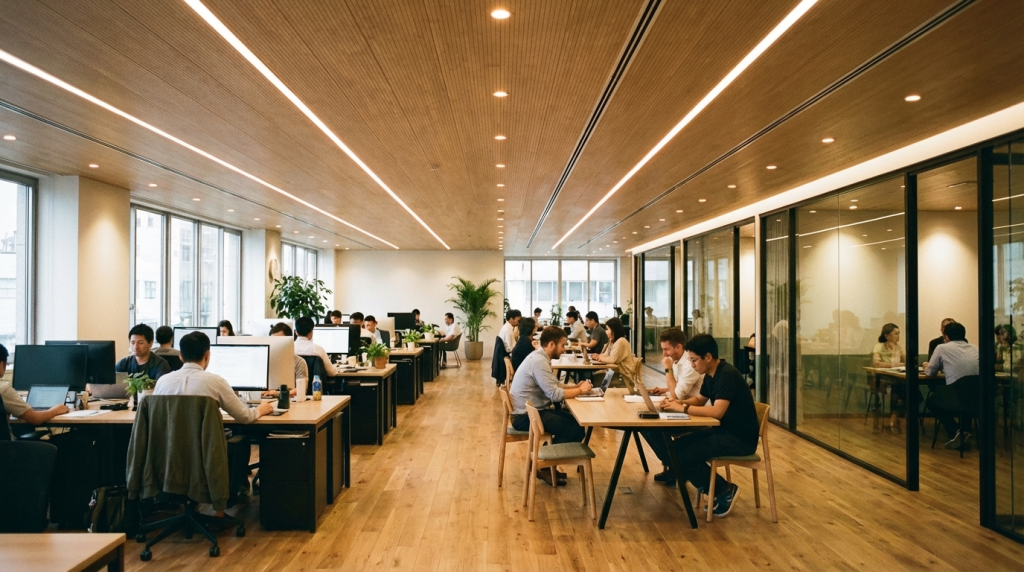
Another major trend in commercial lighting is the adoption of human-centric lighting. Instead of focusing solely on brightness, this approach considers how lighting affects human health, mood, and productivity.
In offices, for instance, lighting can mimic natural daylight cycles. Bright, cool-toned light in the morning helps employees stay alert, while warmer tones later in the day create a more comfortable atmosphere.
Consequently, companies are increasingly investing in lighting systems that support employee wellbeing. Not only does this improve workplace satisfaction, but it can also enhance productivity and reduce fatigue.
4. High CRI Lighting for Better Product Presentation
In retail environments, accurate color representation is essential. Customers rely heavily on visual perception when evaluating products, especially in sectors such as fashion, cosmetics, and electronics.
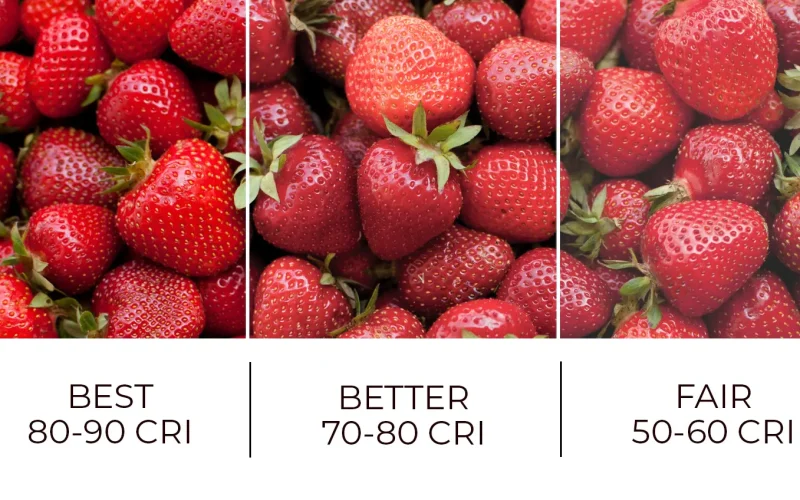
For this reason, high CRI (Color Rendering Index) lighting is becoming a standard requirement in modern retail design. Lighting with a CRI above 90 ensures that product colors appear vivid and natural.
Furthermore, high-quality LED lighting helps highlight textures and materials, making displays more visually appealing. As competition in retail becomes increasingly intense, effective lighting design can make a significant difference in customer engagement.
5. Low Glare Lighting for Visual Comfort
Visual comfort is becoming a top priority in both retail and office lighting design. Excessive glare can cause eye strain, reduce productivity, and create an unpleasant environment.
To address this issue, designers are increasingly using lighting solutions with low UGR (Unified Glare Rating). Products such as grille lights, anti-glare downlights, and deep-recessed spotlights help minimize glare while maintaining sufficient brightness.
In office environments, low-glare lighting improves screen visibility and reduces fatigue during long working hours. Similarly, in retail spaces, comfortable lighting encourages customers to spend more time browsing.
6. Minimalist and Architectural Lighting Design
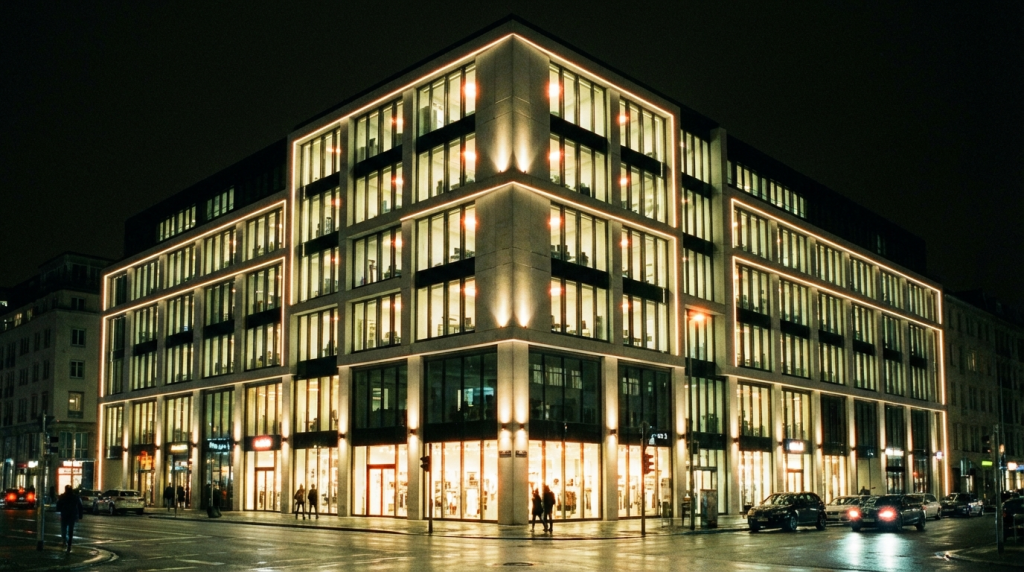
Modern commercial interiors are moving toward cleaner and more minimalist aesthetics. As a result, lighting systems are increasingly integrated into architectural structures rather than standing out as separate elements.
Recessed lighting, trimless fixtures, and hidden lighting channels are becoming common in both offices and retail spaces. These solutions create a seamless visual effect while maintaining high-quality illumination.
Magnetic track systems, linear lights, and slim-profile downlights are especially popular in contemporary design because they combine functionality with architectural simplicity.
7. Energy-Efficient LED Lighting and Sustainability
Sustainability continues to influence commercial building design worldwide. As companies aim to reduce operational costs and carbon footprints, energy-efficient lighting solutions are becoming essential.
LED technology already consumes significantly less energy than traditional lighting systems. However, new developments are pushing efficiency even further.
In addition to lower power consumption, modern LED systems offer:
- Longer lifespan
- Reduced maintenance costs
- Better lighting performance
Therefore, energy-efficient lighting is expected to remain a central trend in commercial spaces for years to come.
Commercial Lighting Design Tips
Effective commercial lighting design improves visibility, enhances the atmosphere, and highlights key areas within a space. Here are several essential tips for designing lighting in retail stores, offices, and showrooms.
1. Use Layered Lighting
Combine ambient lighting, task lighting, and accent lighting to create balanced illumination. For example, recessed downlights can provide general lighting while track lights highlight products or displays.
2. Choose the Right Color Temperature
Color temperature affects the mood of a commercial space. Warm light (3000K) is often used in retail environments, while neutral white (3500K–4000K) works well for offices and commercial workplaces.
3. Prioritize High CRI Lighting
Lighting with a high Color Rendering Index (CRI ≥90) ensures products appear vibrant and natural, which is especially important in retail and showroom lighting design.
4. Use Adjustable Lighting Fixtures
Flexible solutions such as track lights or magnetic track lighting allow easy adjustments to spotlight displays and adapt to changing layouts.
5. Reduce Glare for Visual Comfort
Choose fixtures with anti-glare designs or low UGR ratings to create a comfortable lighting environment for customers and employees.
Well-planned commercial lighting improves both functionality and visual appeal, making it a key element in modern retail and office lighting design.
Commercial lighting is undergoing a significant transformation. As businesses seek to create more engaging retail experiences and more productive workplaces, lighting design is becoming increasingly sophisticated.
Trends such as smart lighting systems, magnetic track lighting, human-centric lighting, and low-glare illumination are shaping the future of retail and office environments. At the same time, sustainability and minimalist design continue to influence lighting choices.
For designers and business owners alike, understanding these trends is essential when planning modern commercial spaces in 2026 and beyond.
Want a lighting proposal based on 2026 trends?
- At AXORA Lighting, we specialize in high-performance lighting systems designed for modern commercial environments, including magnetic track lighting, LED track lights, downlights, and linear lighting solutions.
- Our products are widely used in retail stores, offices, showrooms, and hospitality projects around the world.