

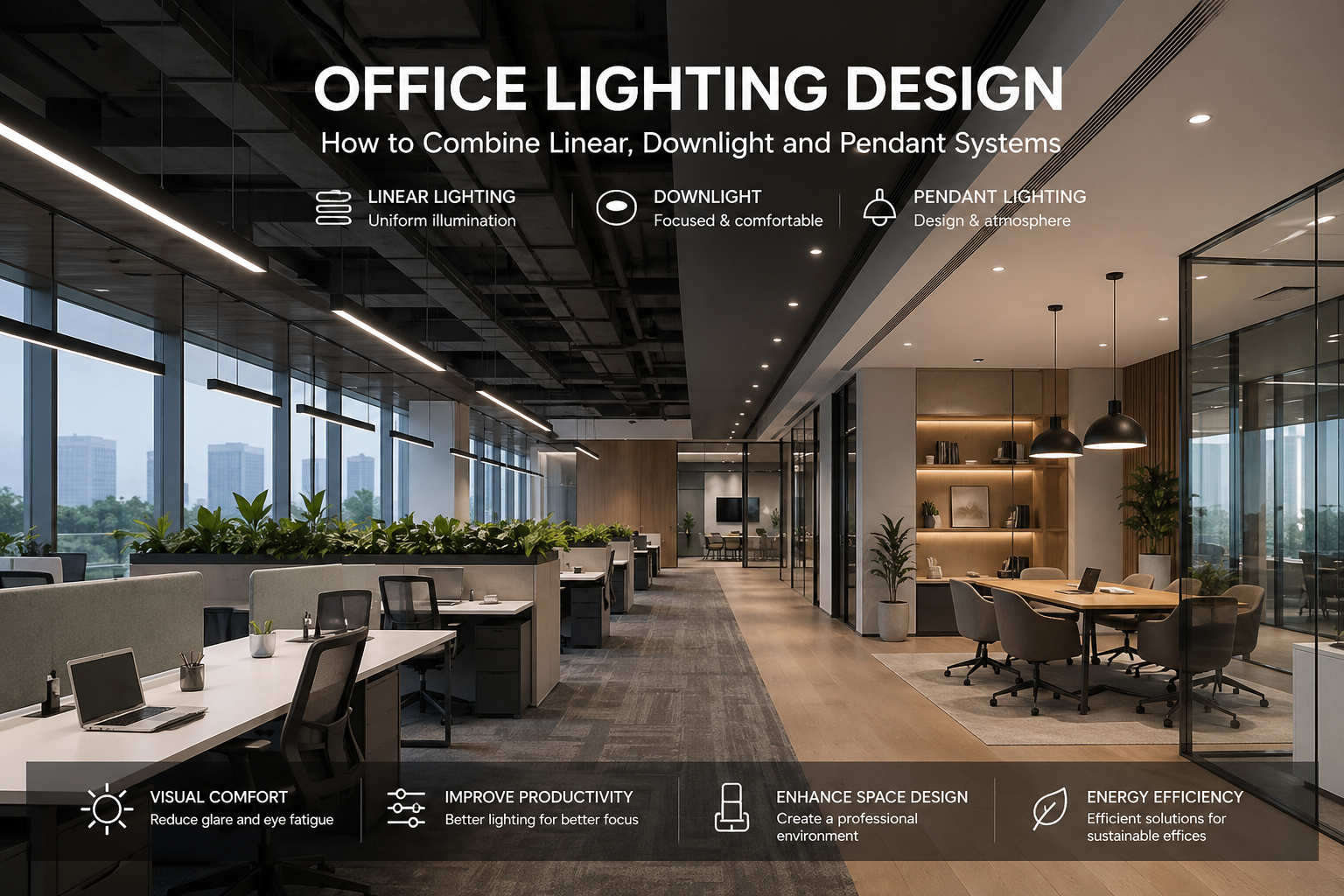
Introduction
In modern workplaces, lighting is no longer just about brightness — it’s about performance, comfort, and experience.
A well-planned office lighting design combines different lighting systems to achieve both functionality and visual harmony.
The most effective approach?
👉 A layered combination of:
- Linear lighting
- Downlights
- Pendant systems
In this guide, we’ll show how to integrate them for the best results.
Explore more office lighting solutions in our Office & Workplace Projects page
1️⃣ Why Layered Office Lighting Matters
A single lighting type is not enough for modern offices.
Poor lighting design often leads to:
- Uneven brightness
- Glare and eye fatigue
- Low productivity
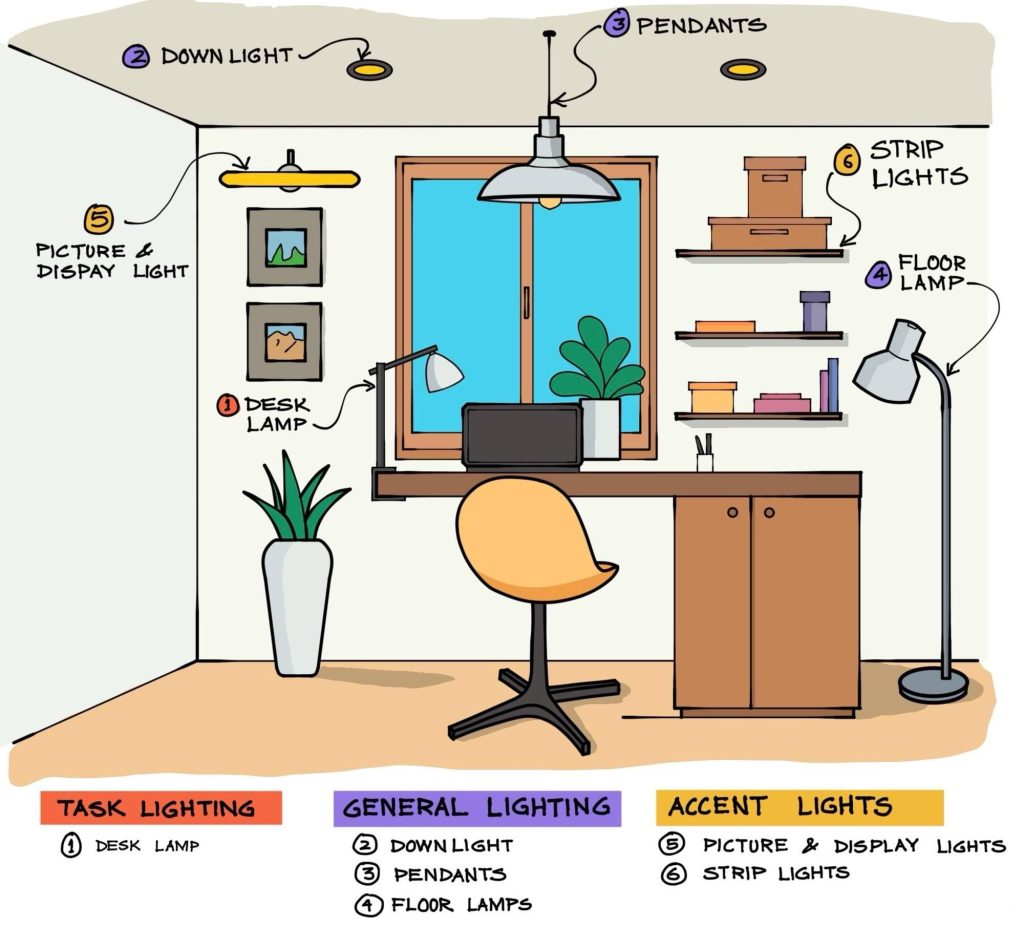
👉 A layered lighting strategy solves this by combining:
- Ambient lighting → overall brightness
- Task lighting → focused work areas
- Accent lighting → spatial depth & design
This is the foundation of high-quality commercial office lighting.
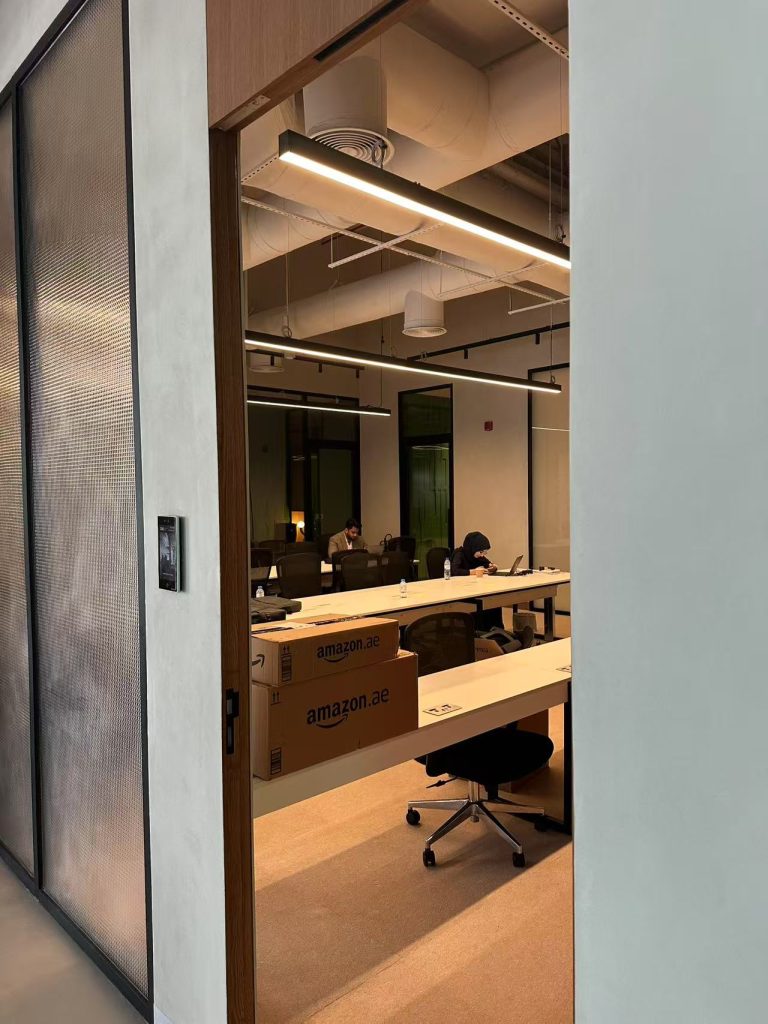
2️⃣ Linear Lighting: The Backbone of Office Illumination
Linear lighting is widely used in modern office design due to its clean and functional form.
Key Advantages:
✔ Uniform light distribution
✔ Clean architectural lines
✔ Ideal for large open spaces
👉 Best applications:
- Open-plan offices
- Corridors
- Meeting rooms
3️⃣ Downlights: Precision and Comfort
Downlights are essential for adding focused illumination and reducing visual fatigue.
Key Advantages:
✔ Anti-glare performance
✔ Precise beam control
✔ Enhances visual comfort
👉 Best applications:
- Workstations
- Reception areas
- Small meeting rooms
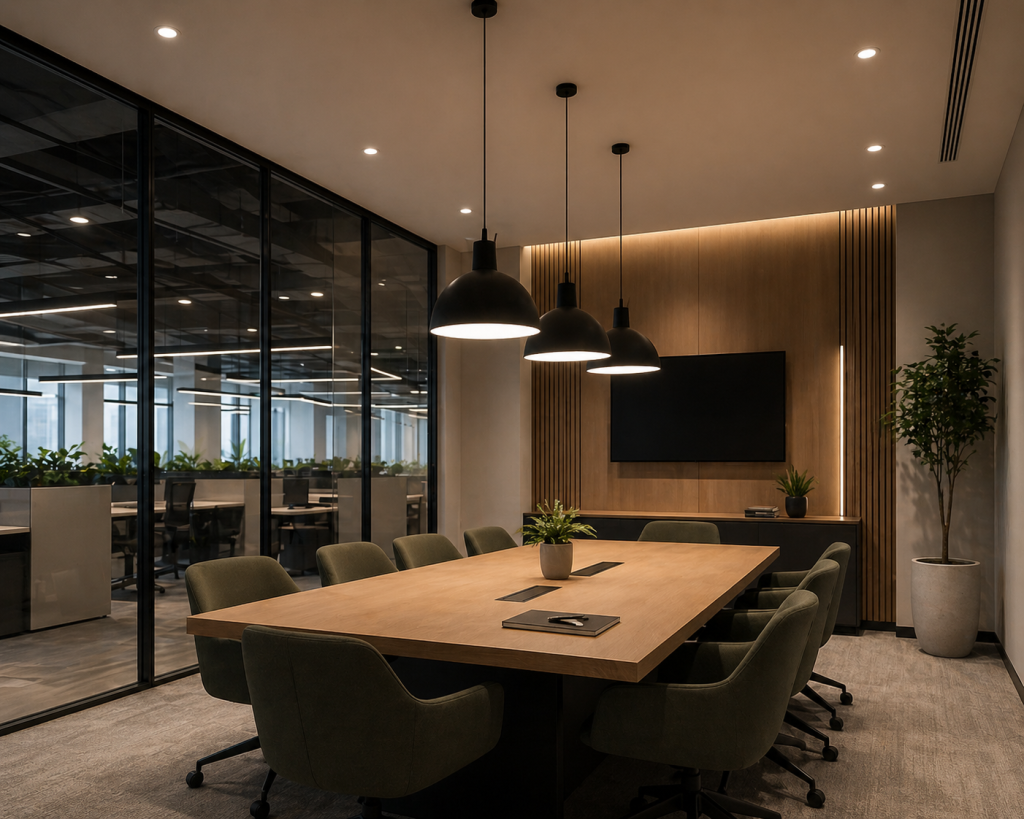
4️⃣ Pendant Lighting: Design + Function
Pendant lighting brings both functional and aesthetic value to office environments.
Key Advantages:
✔ Creates visual focus
✔ Improves spatial identity
✔ Adds design character
👉 Best applications:
- Meeting rooms
- Collaboration zones
- Lounge areas
Explore our Pendant Lighting Collection
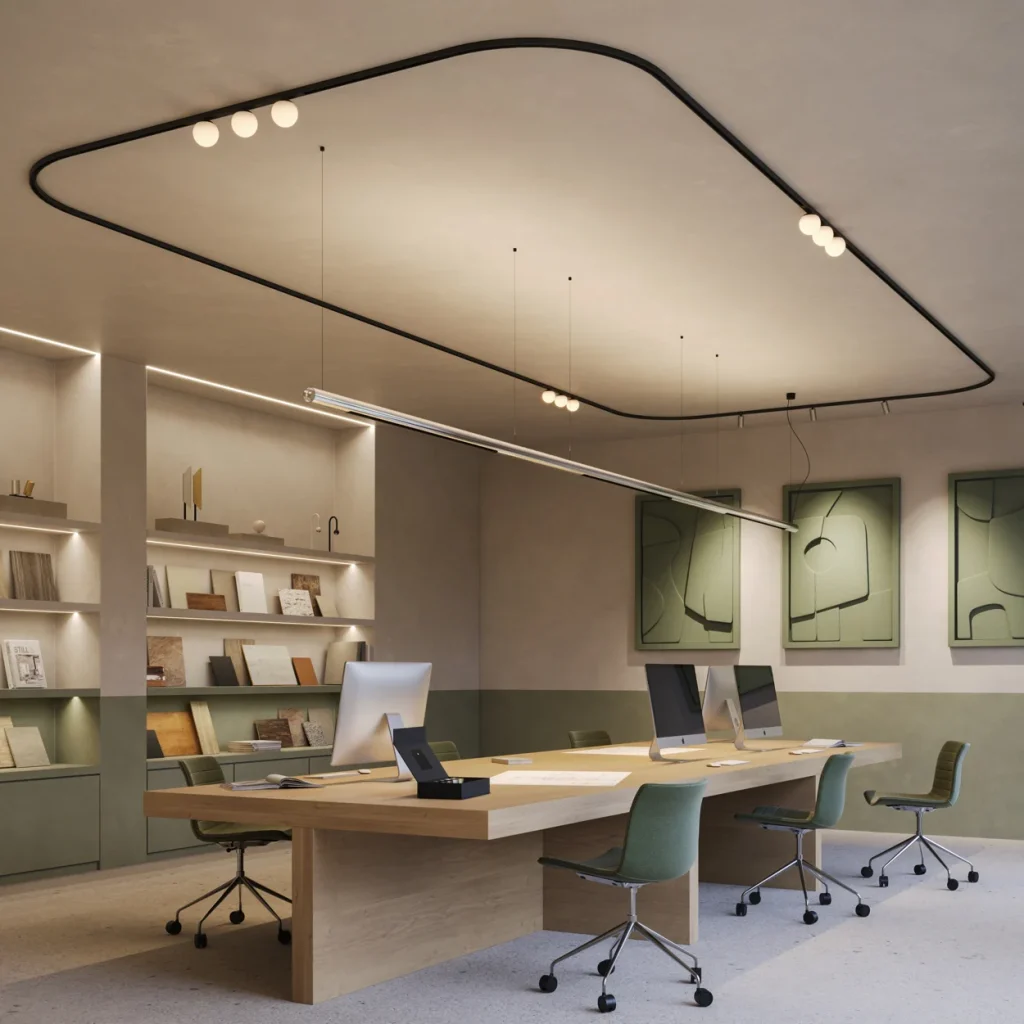
5️⃣ How to Combine Them Effectively
A successful office lighting design follows this combination logic:
👉 Step 1: Use linear lighting for base illumination
👉 Step 2: Add downlights for task areas
👉 Step 3: Introduce pendant lights for key zones
Example Layout:
- Open office → linear lighting
- Desk area → downlight enhancement
- Meeting room → pendant focus
This approach ensures both efficiency and comfort.
6️⃣ Key Design Tips for Office Lighting
- Choose UGR<19 to reduce glare
- Use 4000K neutral white for productivity
- Maintain consistent spacing for uniformity
- Combine aesthetics with performance
🚀 CTA
Looking for a professional office lighting solution?
We support:
✔ Lighting design suggestions
✔ Product selection for projects
✔ Fast response for commercial needs