Introduction
Choosing the right lighting is one of the most important decisions in any commercial project.
Yet many buyers and designers still ask:
👉 Should I use track lights or downlights?
The answer is not simply one or the other — it depends on your project goals.
In this guide, we break down the key differences to help you make the right decision.
👉 If you’re working on retail projects, you may also find our Retail Lighting Guide helpful.
What is LED Track Lighting?
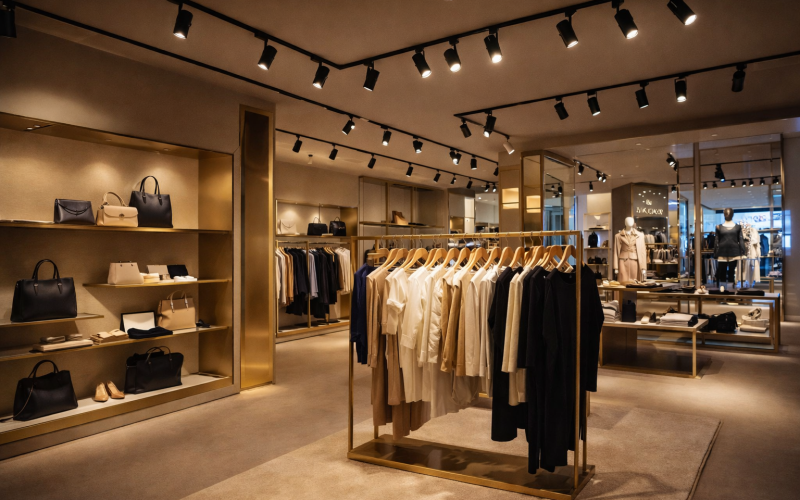
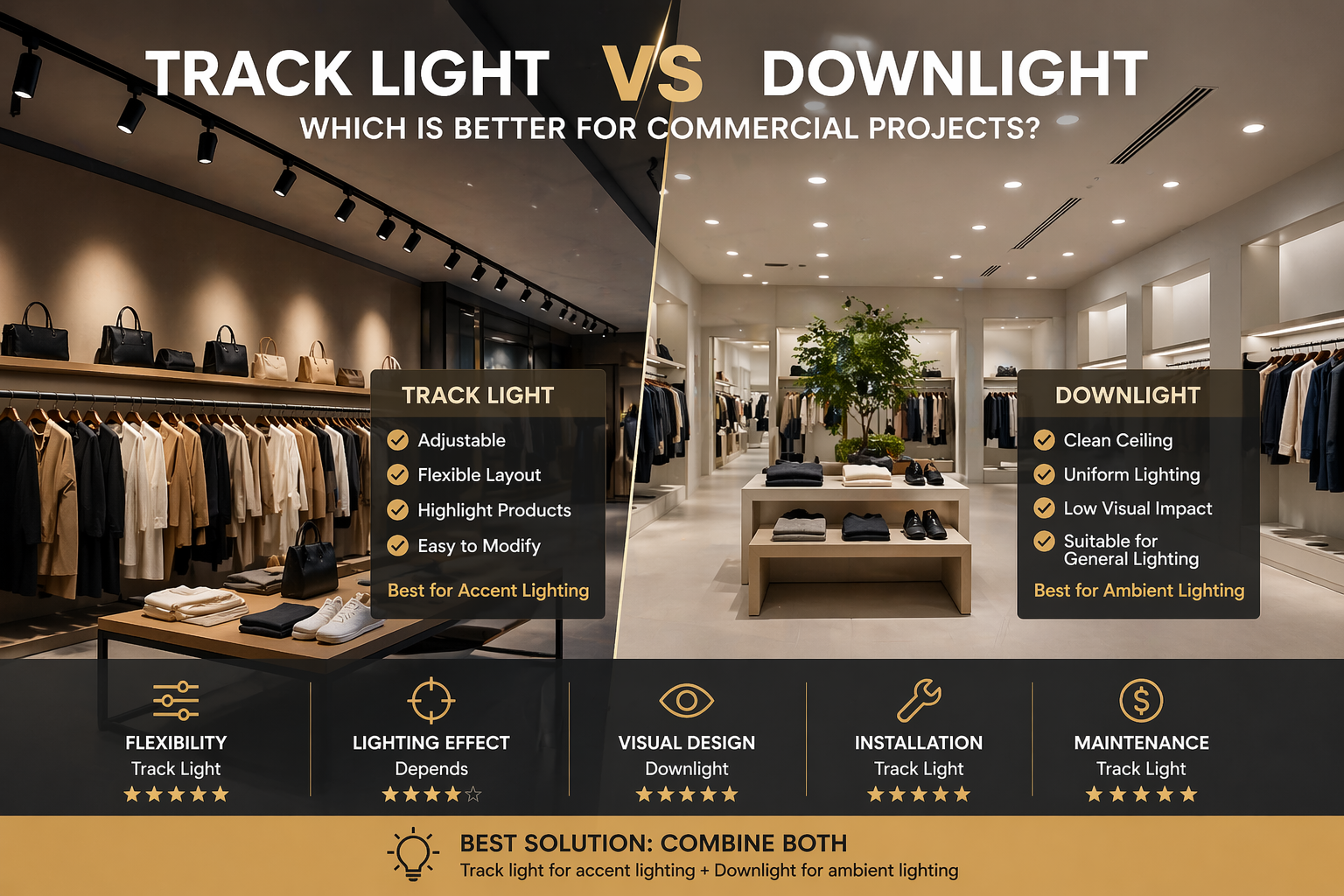
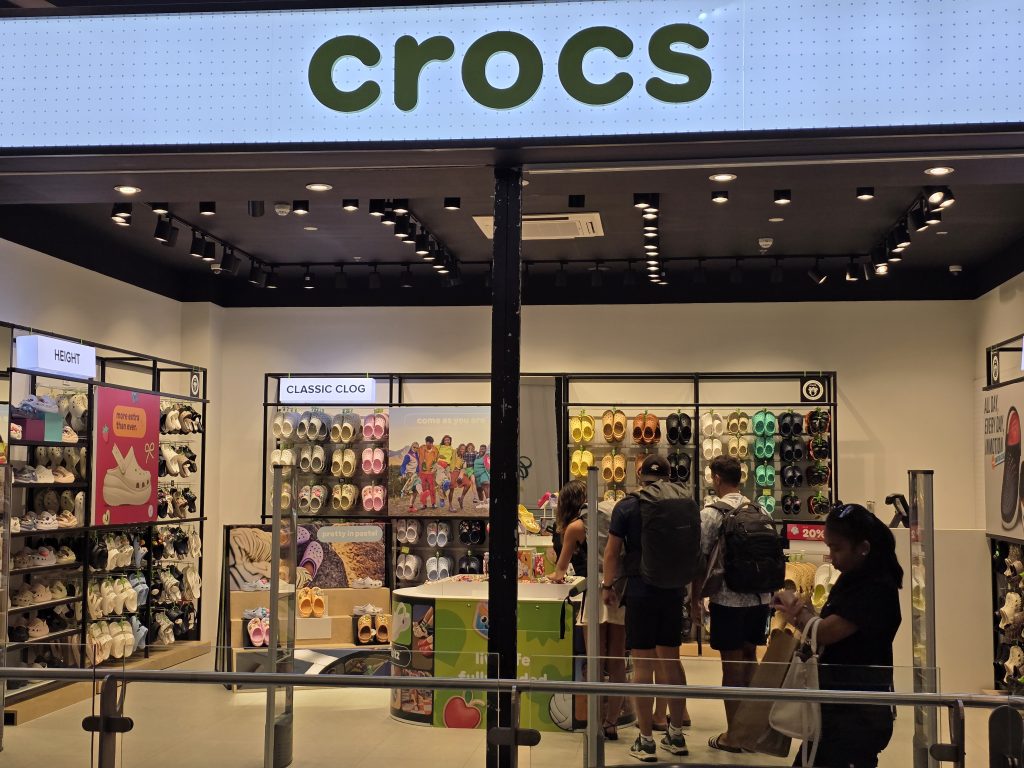
LED track lighting is a flexible lighting system where multiple fixtures are mounted on a track.
Key features:
- Adjustable direction
- Flexible layout
- Easy to reposition
- Ideal for accent lighting
👉 Commonly used in:
- Retail stores
- Showrooms
- Galleries
What is a Downlight?
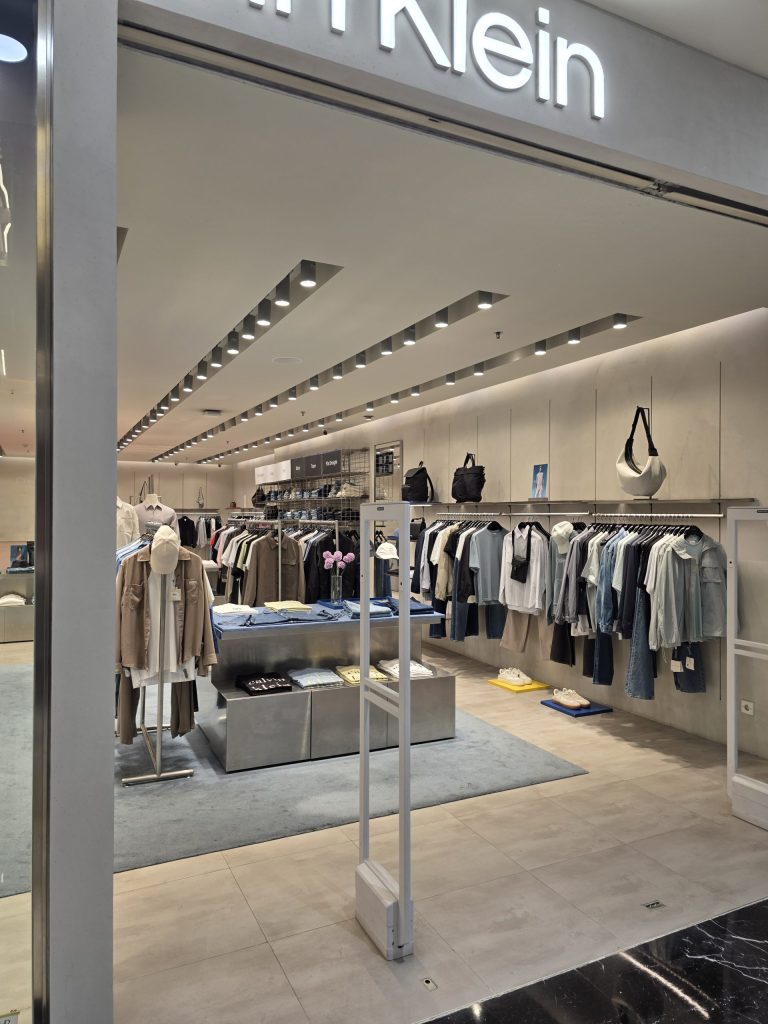
Downlights are recessed fixtures installed into the ceiling.
Key features:
- Clean ceiling appearance
- Fixed lighting direction
- Uniform illumination
- Minimal visual impact
👉 Commonly used in:
- Offices
- Hotels
- Residential spaces
Track Light vs Downlight: Key Differences
1. Flexibility
- Track Light → Adjustable, adaptable to changing layouts
- Downlight → Fixed position after installation
👉 Winner: Track Light
2. Lighting Effect
- Track Light → Strong accent lighting, highlights products
- Downlight → Soft general lighting
👉 Winner: Depends on application
3. Visual Design
- Track Light → Visible fixture, more industrial/modern
- Downlight → Invisible, clean ceiling
👉 Winner: Downlight
4. Installation & Maintenance
- Track Light → Easier to install and modify
- Downlight → Requires ceiling cut-out and planning
👉 Winner: Track Light
Which One Should You Choose?
Choose Track Lighting if:
✔ You need flexibility
✔ You want to highlight products
✔ Your layout may change
👉 Typical projects:
Retail / Showroom / Exhibition
Choose Downlights if:
✔ You want a clean ceiling
✔ You need uniform lighting
✔ The layout is fixed
👉 Typical projects:
Office / Hotel / Residential
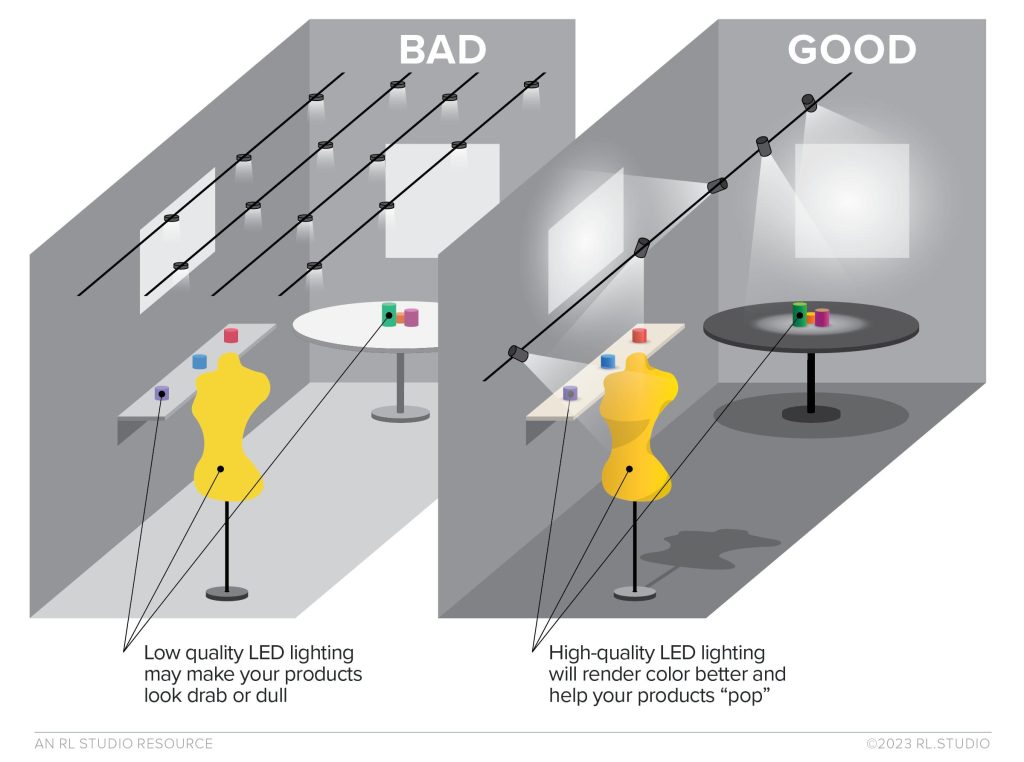
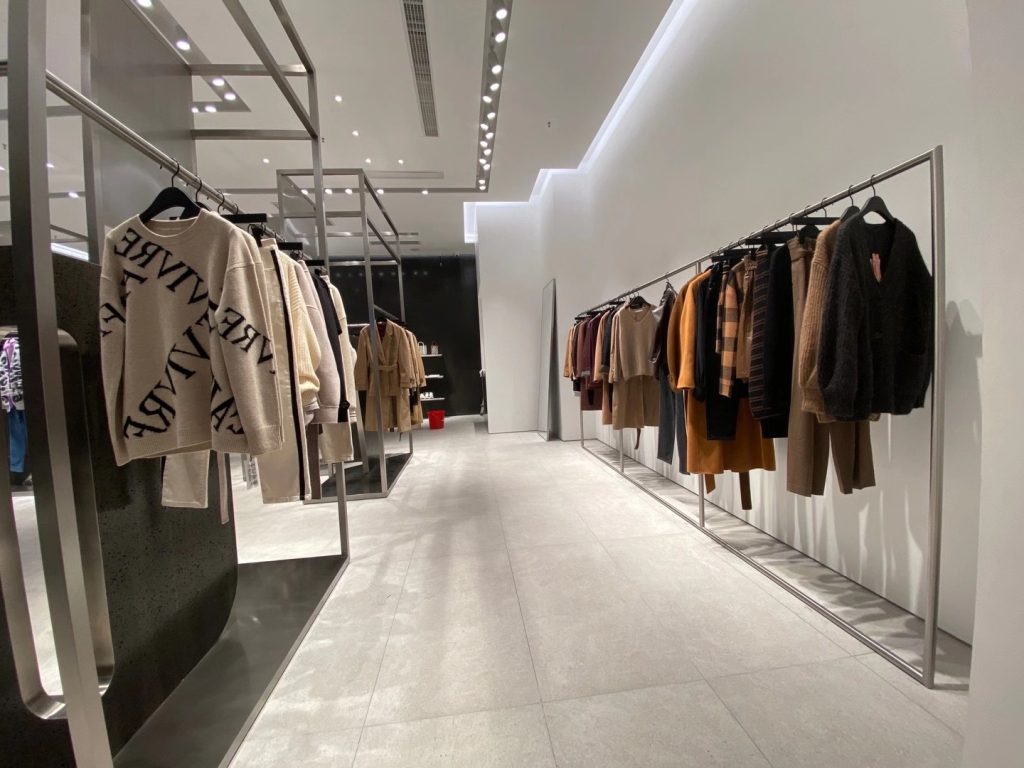
Best Solution: Combine Both
In most commercial projects, the best solution is:
👉 Track Light + Downlight together
- Downlights → base lighting
- Track lights → accent & focus
This creates a layered lighting design that is both functional and attractive.
Conclusion
There is no “one-size-fits-all” solution.
👉 Good lighting design is about using the right tool for the right purpose.
If you are working on a commercial project, choosing the right combination can significantly improve both aesthetics and performance.
CTA
Planning a retail or commercial lighting project?
👉 Contact us for professional lighting solutions and product recommendations.