Introduction
Beam angle is one of the most important factors in lighting design — yet it is often misunderstood.
Whether you are designing a retail store, showroom, or commercial space, the beam angle directly affects how light is distributed, how products are highlighted, and how comfortable the space feels.
In this guide, we will explain what beam angle is and how to choose between 15°, 24°, and 36° for different applications.
What is Beam Angle in Lighting?
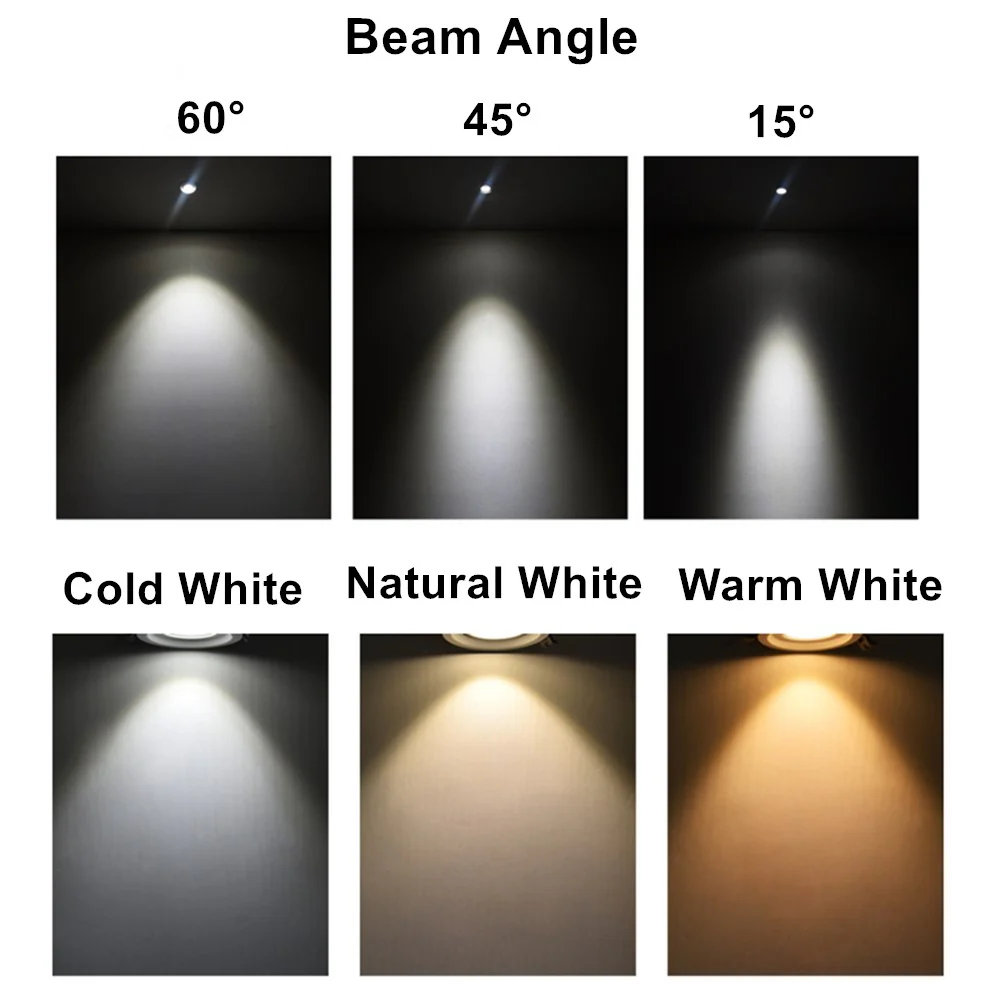
Beam angle refers to the angle at which light is emitted from a lighting fixture.
It determines how narrow or wide the light spreads on a surface.
- Narrow beam = focused light
- Wide beam = broader light coverage
A smaller beam angle creates a concentrated spotlight, while a larger beam angle provides more uniform illumination.
Why Beam Angle Matters in Commercial Lighting
In commercial environments, lighting is not just about brightness — it is about control and precision in commercial lighting design.
Beam angle affects:
- Product visibility
- Visual hierarchy
- Lighting contrast
- Customer attention
- Overall atmosphere
For example, in retail lighting, improper beam angles can make products look flat or poorly defined.
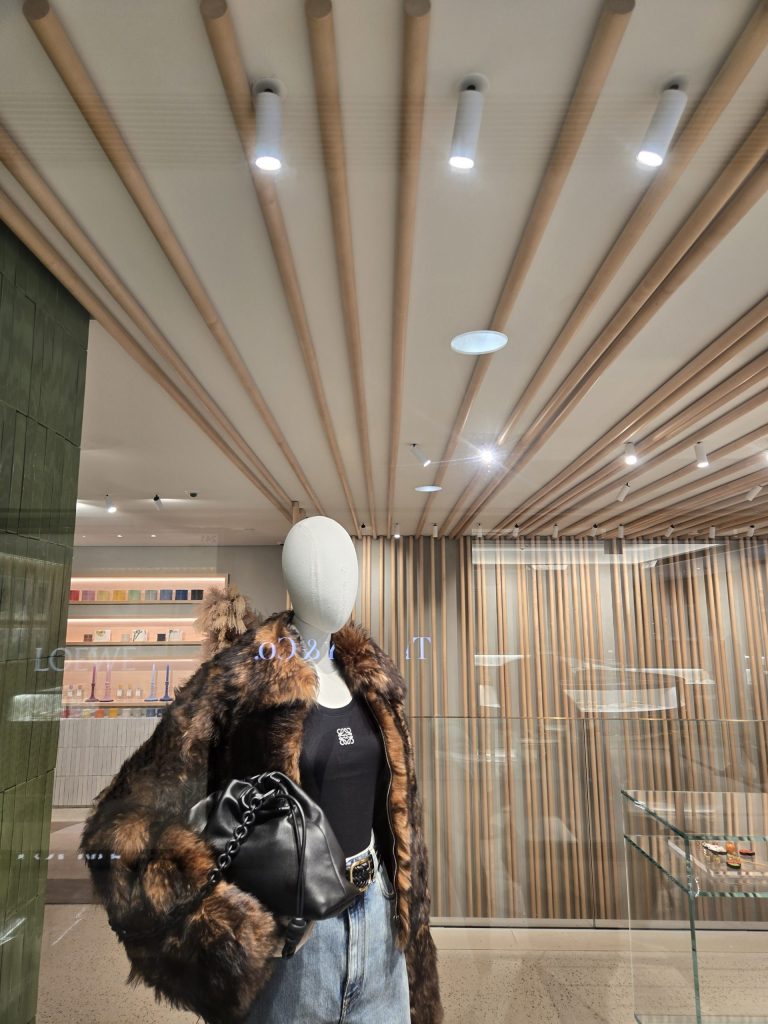
15° Beam Angle – Narrow Focus
Best for:
- Highlighting premium products
- Accent lighting
- Display cabinets
- Luxury retail environments
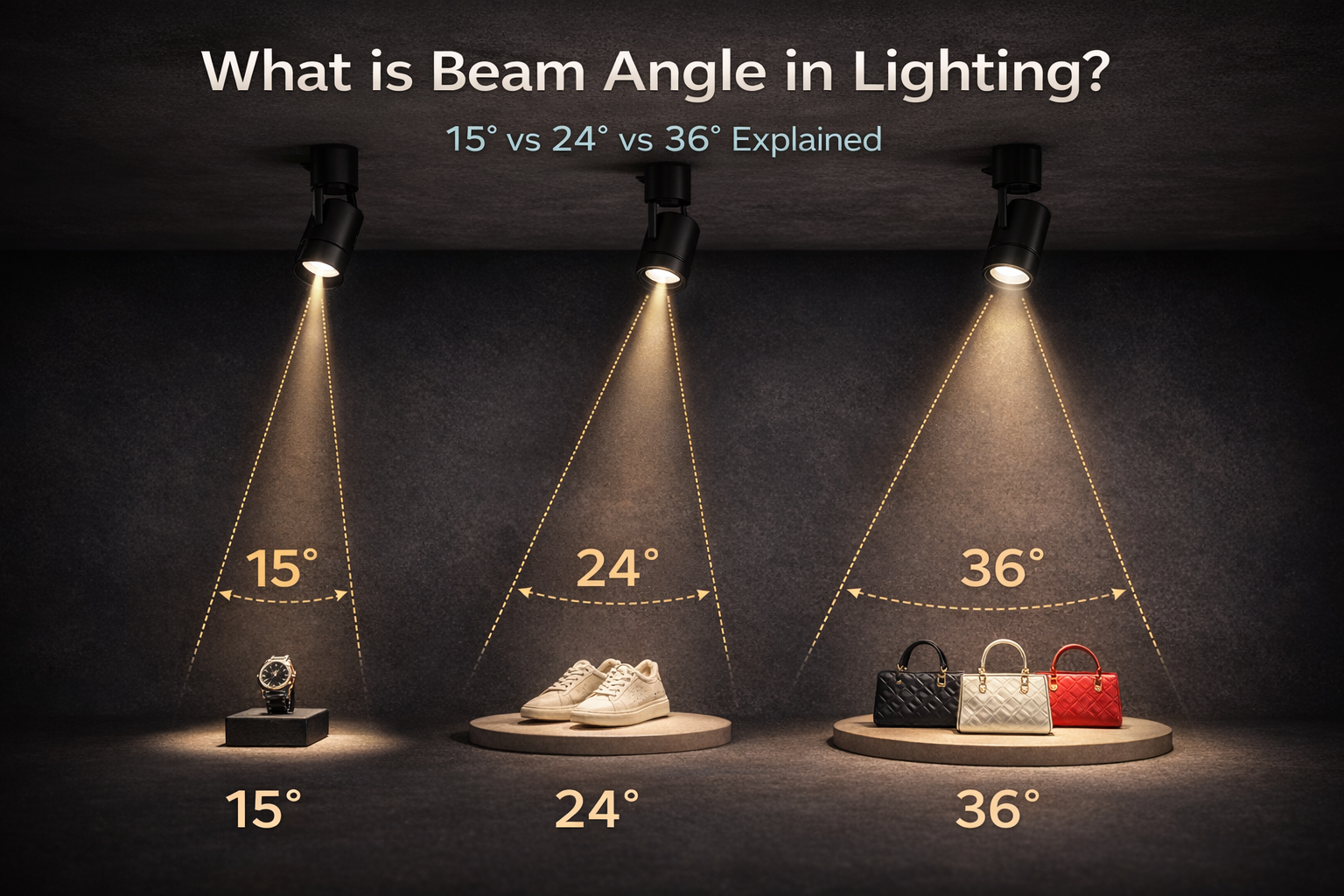
A 15° beam creates a very tight and focused light.
It is ideal for drawing attention to specific items such as:
- Watches
- Jewelry
- High-end products
👉 This type of lighting creates strong contrast and a dramatic effect.
24° Beam Angle – Balanced Accent Lighting
Best for:
- Retail stores
- Showrooms
- Feature displays
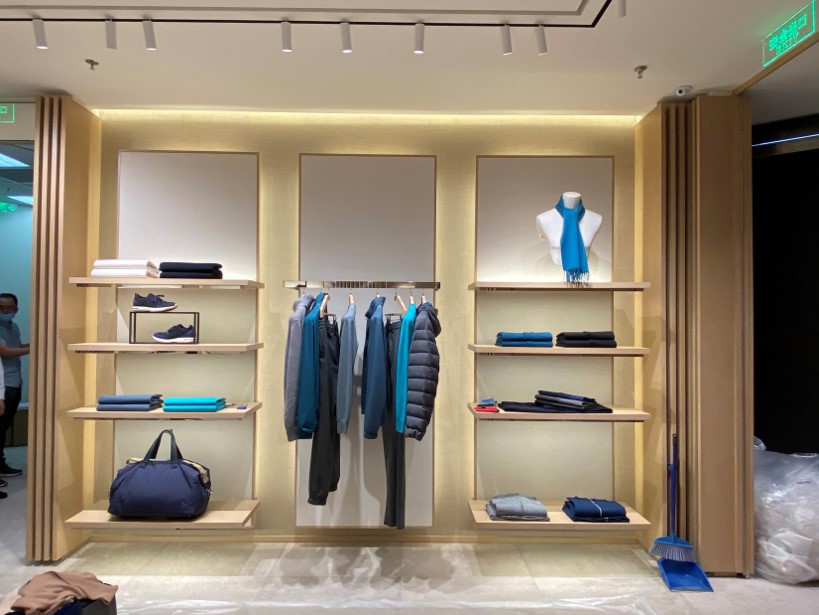
The 24° beam angle is the most commonly used option in commercial lighting.
It provides:
- Good focus
- Moderate spread
- Clear product visibility
👉 It is a perfect balance between accent lighting and practical illumination.
Many retail projects use 24° track lights as the main lighting strategy.
36° Beam Angle – Wider Coverage
Best for:
- General lighting in retail
- Office environments
- Open commercial spaces
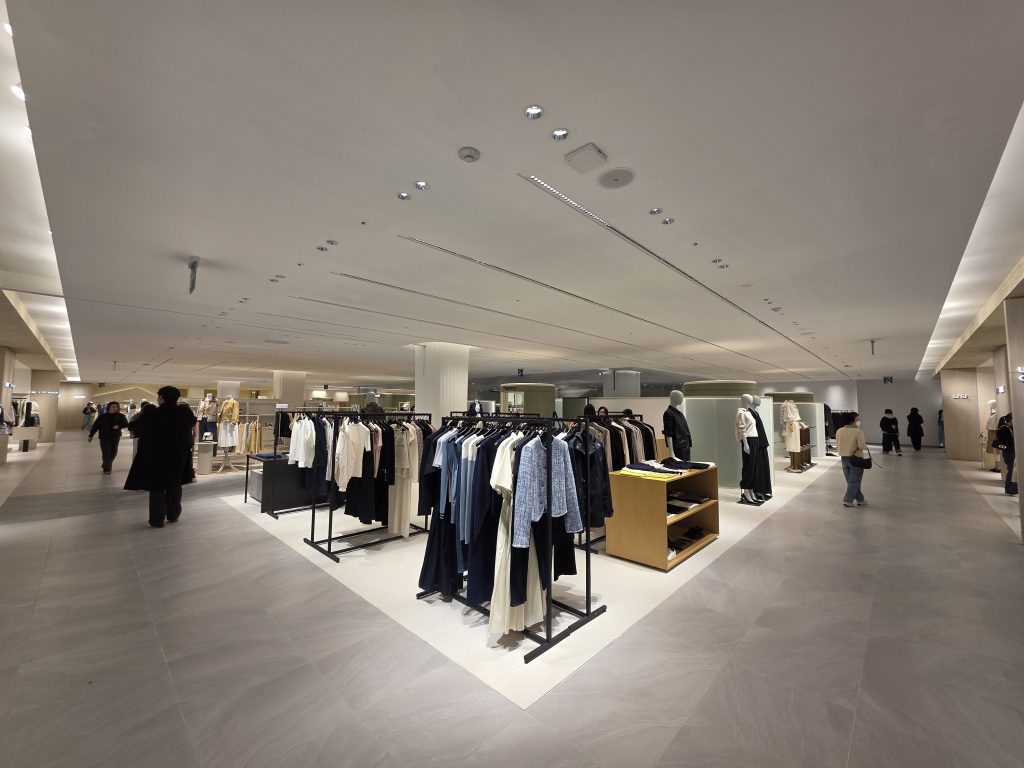
A 36° beam angle provides a wider spread of light.
It is used when:
- You need more uniform lighting
- You want to reduce strong contrast
- You need comfortable ambient lighting
👉 This is commonly used in downlights or general lighting layouts.
How to Choose the Right Beam Angle
Choosing the right beam angle depends on your application:
1. Retail & Showroom
Use a combination:
- 15° → highlight key products
- 24° → main accent lighting
- 36° → background lighting
2. Office Lighting
- 36° or wider beam angles
👉 focus on uniformity and comfort
3. High-End Retail
- Narrow beams (15°–24°)
👉 create contrast and premium feel
If you are comparing different lighting types for your project, you may also find this helpful:
👉 Track Light vs Downlight: Which is Better for Commercial Projects?
Practical Tip from Real Projects
In many commercial projects, lighting is designed in layers:
- Accent lighting (narrow beam)
- General lighting (wide beam)
- Decorative or architectural lighting
This layered approach improves both aesthetics and functionality.
As a professional commercial lighting provider, AXORA focuses on optical consistency and precise beam control, which is critical for large-scale projects.
Product Application
For retail lighting applications, LED track lights with multiple beam angle options (15° / 24° / 36°) are widely used in retail lighting applications.
👉 This allows designers to adjust lighting based on product layout and display changes.
Conclusion
Beam angle is a key factor that defines how light interacts with space.
- 15° → focus and contrast
- 24° → balance and flexibility
- 36° → coverage and comfort
Understanding beam angles helps create lighting that is not only functional but also visually effective.
Need help choosing the right beam angle for your project?
Our team can provide professional lighting recommendations.
👉 Request Quote
👉 Download Catalog
👉 Contact Us