
Introduction
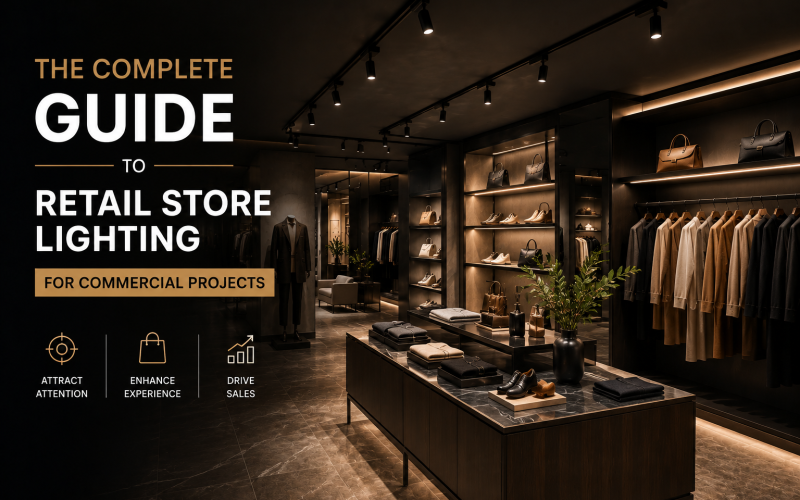
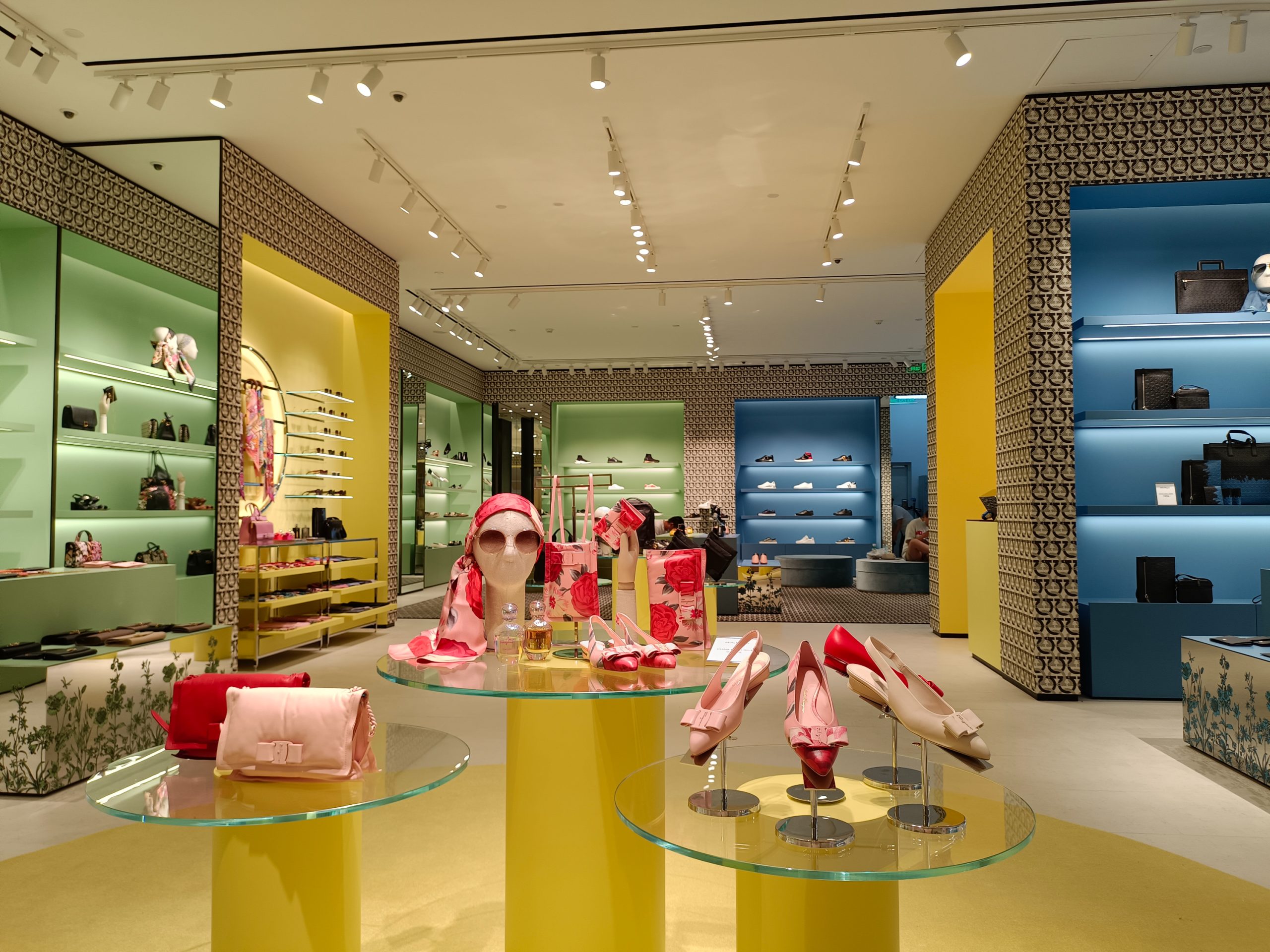
In showroom environments, lighting is not just functional — it directly influences how products are perceived.
Whether it’s a car showroom, furniture display, or retail exhibition space, the right lighting can:
- Enhance product texture
- Guide customer attention
- Increase perceived value
Poor lighting, on the other hand, can make even premium products look flat and unappealing.
Why Lighting Matters in Showrooms
Showrooms are designed to sell visually.
Customers don’t just look — they experience.
Lighting plays a critical role in:
- Creating focus points
- Defining spatial hierarchy
- Enhancing material and color
Without proper lighting, products lose depth and visual impact.
Common Lighting Mistakes in Showrooms
Many showroom projects fail due to incorrect lighting strategies:
❌ Only using general lighting
❌ No accent lighting for key products
❌ Wrong beam angles
❌ Glare causing discomfort
❌ Inconsistent lighting across displays
These issues reduce product attractiveness and weaken the overall customer experience.
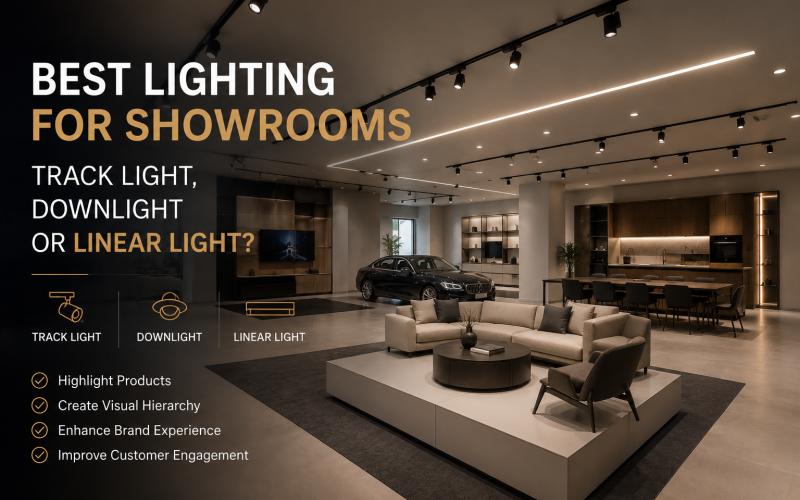
Best Lighting Solutions for Showrooms
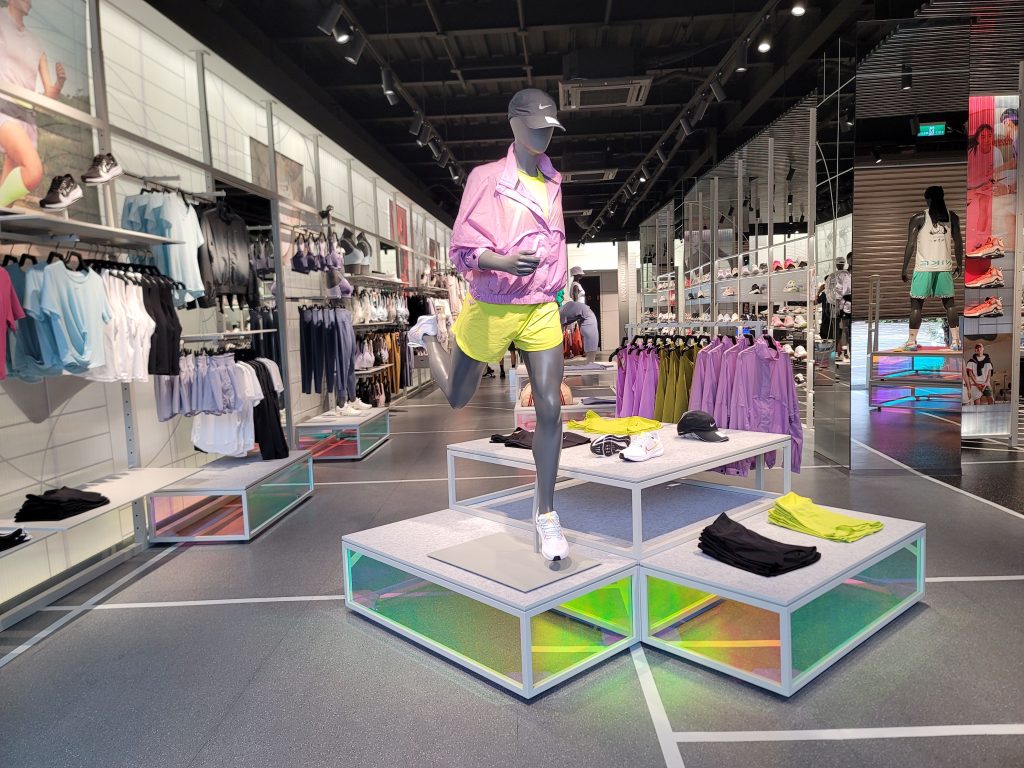
1. LED Track Lighting (Most Widely Used)
For showroom environments, LED track lighting is one of the most effective solutions.
It allows:
- Flexible positioning
- Adjustable angles
- Easy adaptation to layout changes
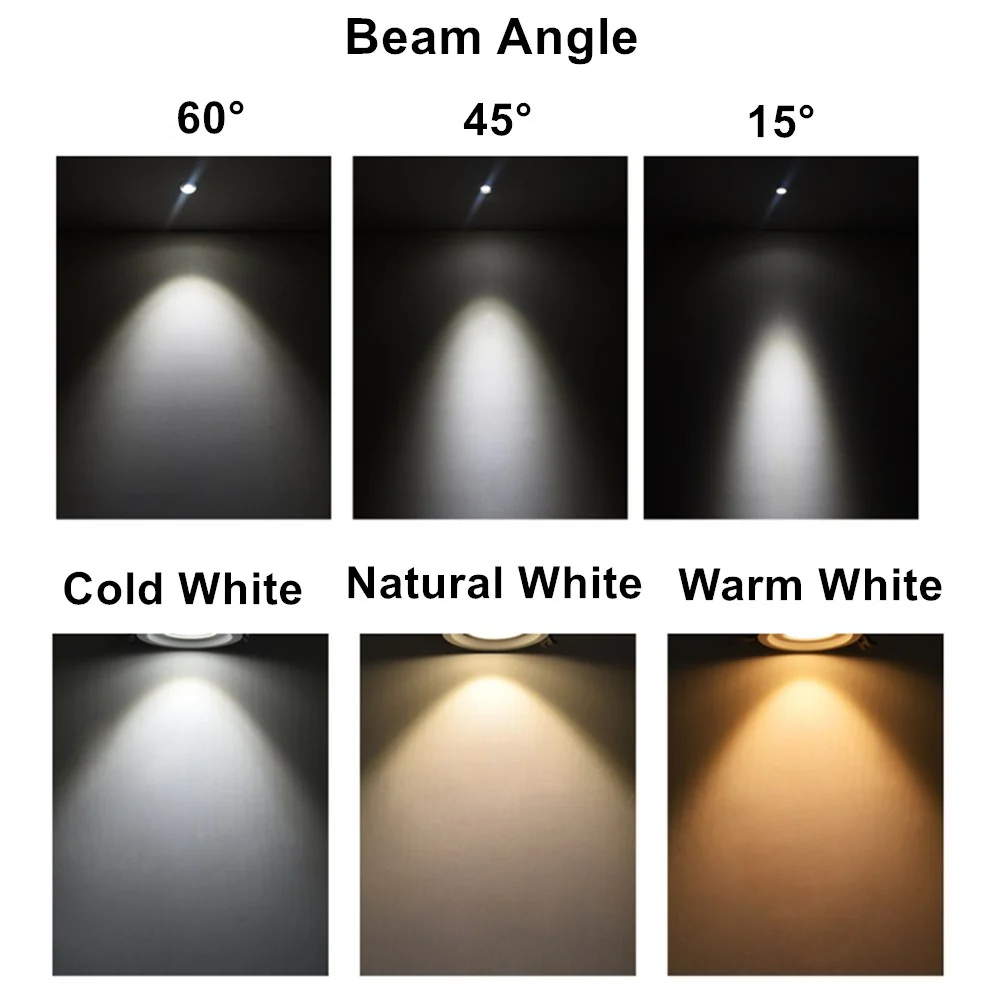
2. Beam Angle Selection (Critical Factor)
Choosing the right beam angle determines how products are highlighted:
- 15° → Highlight small items (jewelry, details)
- 24° → Medium focus (fashion, displays)
- 36° → General accent lighting
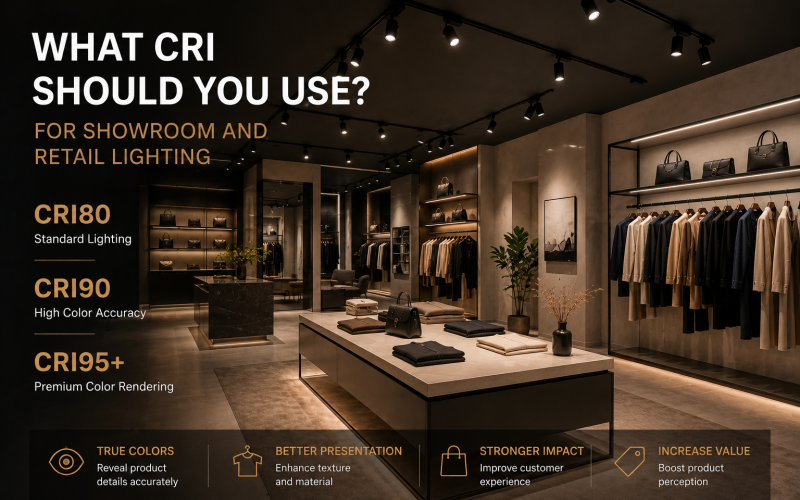
3. High CRI Lighting (Color Accuracy)
In showroom environments, color accuracy is essential.
High CRI lighting ensures:
- True color representation
- Better material perception
- Premium product appearance
4. Layered Lighting Strategy
The most effective showroom lighting combines:
- Ambient lighting (general)
- Accent lighting (focus)
- Decorative lighting (atmosphere)
This creates depth and enhances visual storytelling.
Real Application: Showroom Lighting Strategy
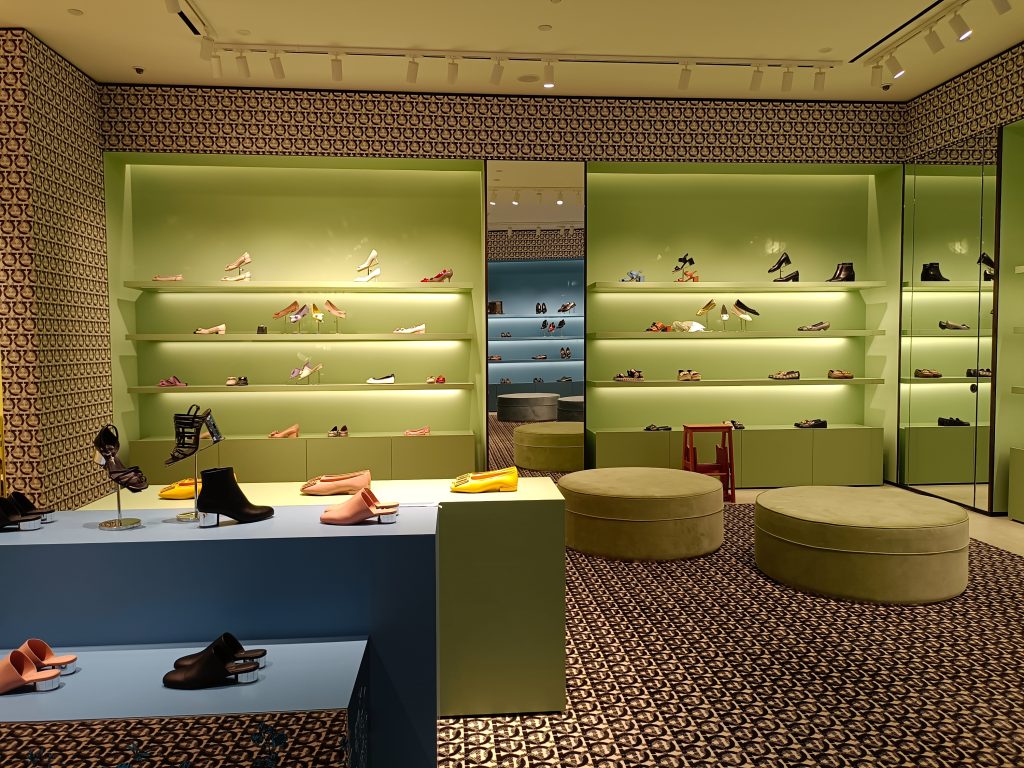
In modern commercial projects, professional lighting designers typically use:
- Adjustable track spotlights
- Narrow beam for highlights
- Anti-glare design for comfort
- Consistent color temperature
These elements work together to create a premium showroom experience.
Why Choose AXORA Lighting
According to , AXORA specializes in project-based commercial lighting systems, not just individual fixtures.
For showroom projects, AXORA provides:
✔ Stable beam angle consistency
✔ High CRI lighting performance
✔ Scalable supply for large projects
✔ Technical support for lighting design
✔ Reliable delivery timelines
Conclusion
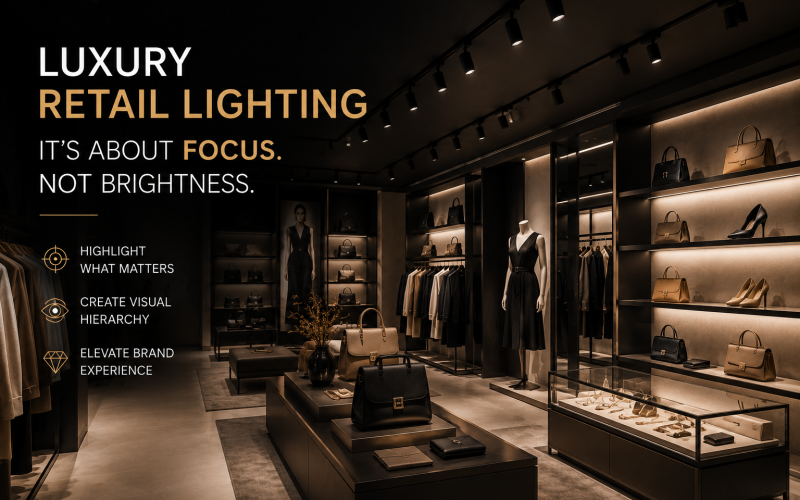
Good showroom lighting is not about brightness — it is about precision.
The right lighting strategy can:
- Highlight products effectively
- Improve customer experience
- Increase sales potential