
Introduction
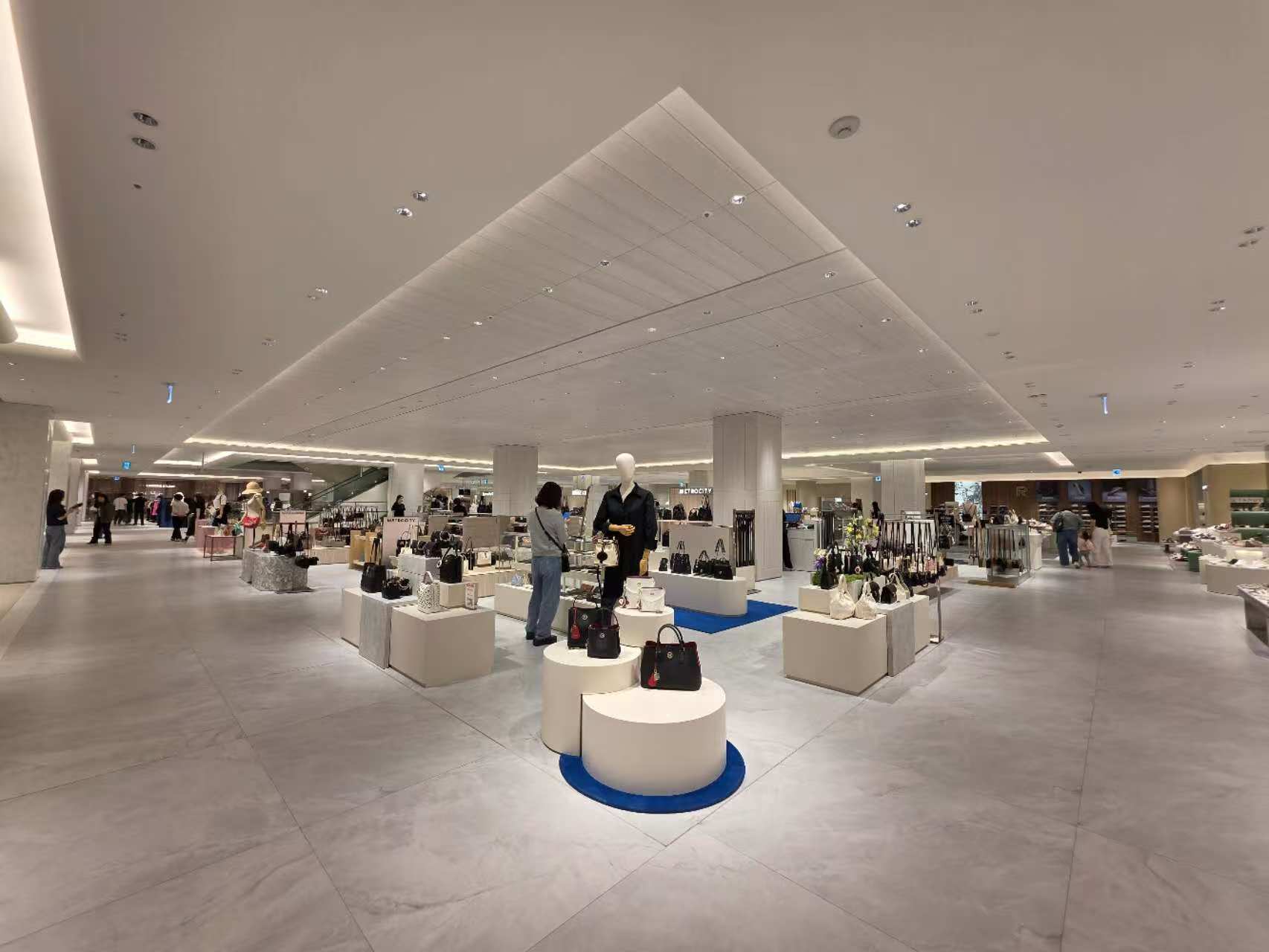
Selecting lighting for large commercial spaces is not just about brightness. Whether it is a department store, shopping mall, warehouse, or exhibition hall, large-scale environments require a lighting system that delivers uniform illumination, energy efficiency, easy maintenance, and scalable supply for future expansion.
Poor lighting planning can result in uneven brightness, excessive energy consumption, overheating issues, and supply instability during later project phases.
In this guide, we explore the most important factors to consider when selecting lighting for large commercial spaces.
- Uniform Illumination Across Large Areas
Large commercial lighting design must prioritize consistent brightness across wide spaces.
Uneven illumination can cause:
Visual fatigue
Poor product presentation
Reduced shopping experience
Dark zones between fixtures
A well-designed commercial lighting layout ensures:
Balanced lux levels
Proper fixture spacing
Optical consistency
Clean ceiling appearance
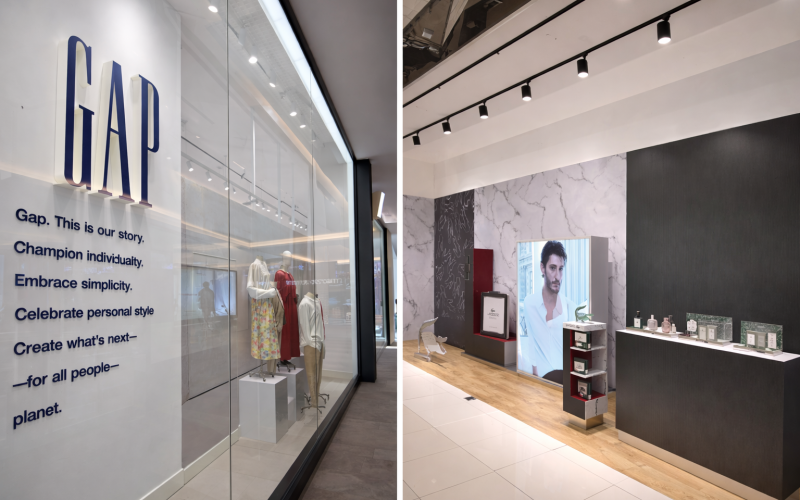
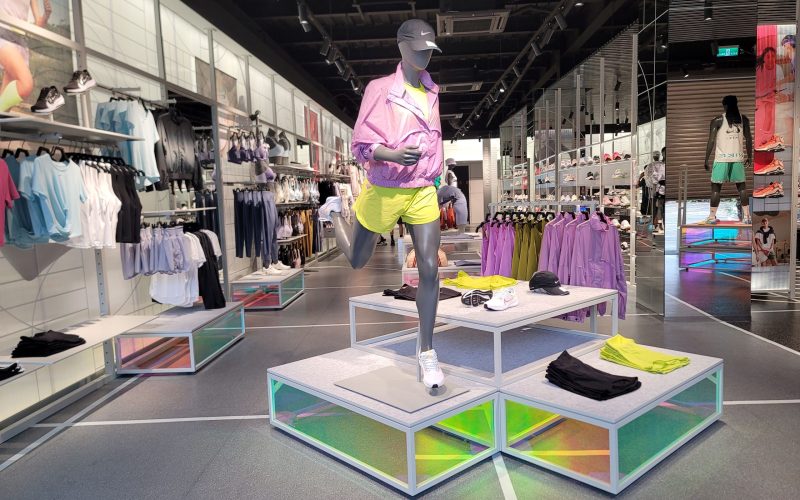
Uniform illumination is especially important in retail stores, hypermarkets, and warehouse lighting solutions where visibility directly affects performance and safety.
- Energy Efficiency and Operational Cost Control
Large commercial buildings operate lighting systems for long hours. Energy efficiency directly impacts operational cost.
When selecting commercial lighting, consider:
High-efficiency LED chips
Quality driver systems
Stable lumen output over time
Low power consumption per square meter
Energy-efficient commercial lighting reduces total lifecycle cost and improves sustainability metrics for large projects.
- Driver Quality and Electrical Stability
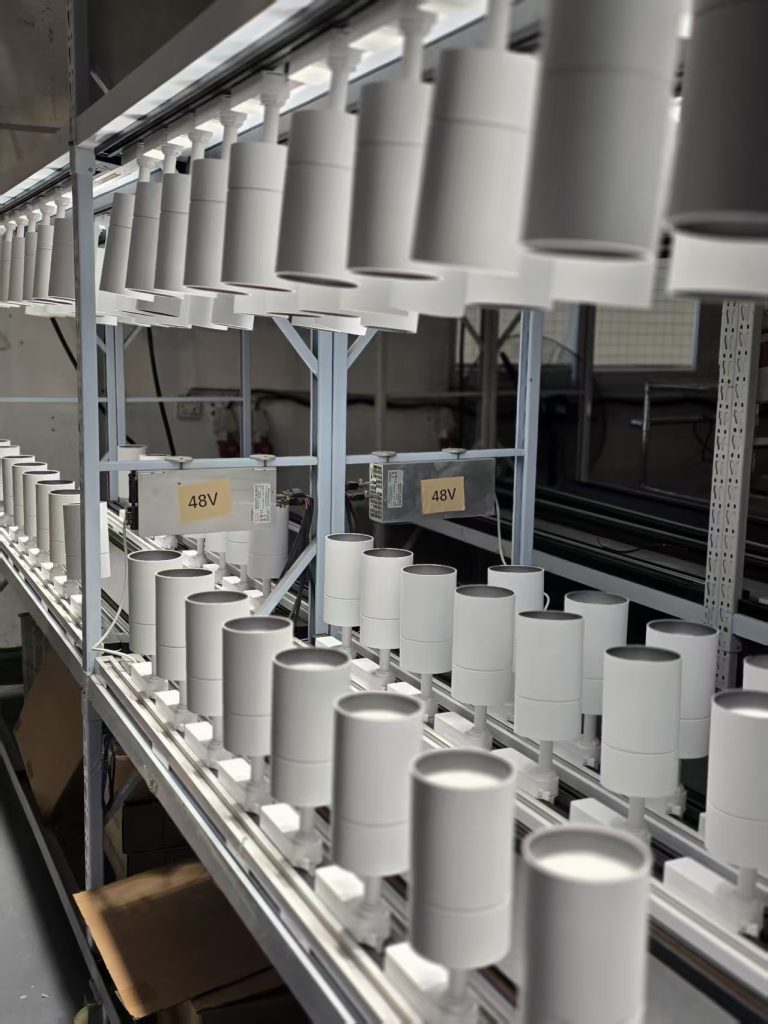
The driver is the core of any LED lighting system.
For large commercial lighting applications, driver quality determines:
Flicker performance
Voltage stability
Lifespan
Safety compliance
A stable 48V or standardized commercial lighting driver system improves reliability across large installations and ensures consistent performance across multiple project phases.
Low-quality drivers are one of the most common causes of early lighting failure in commercial projects.
- Heat Management and Long-Term Durability
Large commercial spaces often operate lighting continuously for extended periods.
Poor heat dissipation can lead to:
Lumen depreciation
Color shift
Shortened product lifespan
Professional commercial lighting suppliers prioritize:
Aluminum heat sinks
Thermal design optimization
Tested operating temperature range
Effective heat management ensures stable performance over years of operation.
- Optical Consistency for Professional Appearance
In large commercial environments, visual consistency is critical.
Inconsistent optics can cause:
Uneven beam angles
Color temperature differences
Visible lighting imbalance
High-quality commercial lighting manufacturing ensures:
Consistent beam angles
Controlled glare
Stable CCT across batches
This is particularly important in retail environments and showroom lighting design.
- Easy Maintenance and Modular Replacement
Maintenance cost increases significantly in large commercial spaces.
Lighting systems should allow:
Easy module replacement
Standardized components
Accessible drivers
Reduced downtime
Modular commercial lighting systems reduce maintenance risk and improve long-term project efficiency.
- Scalable Supply for Future Expansion
Large commercial projects often expand in phases.
Lighting suppliers must ensure:
Repeat supply of the same model
Batch consistency over time
Inventory availability
Stable production capacity
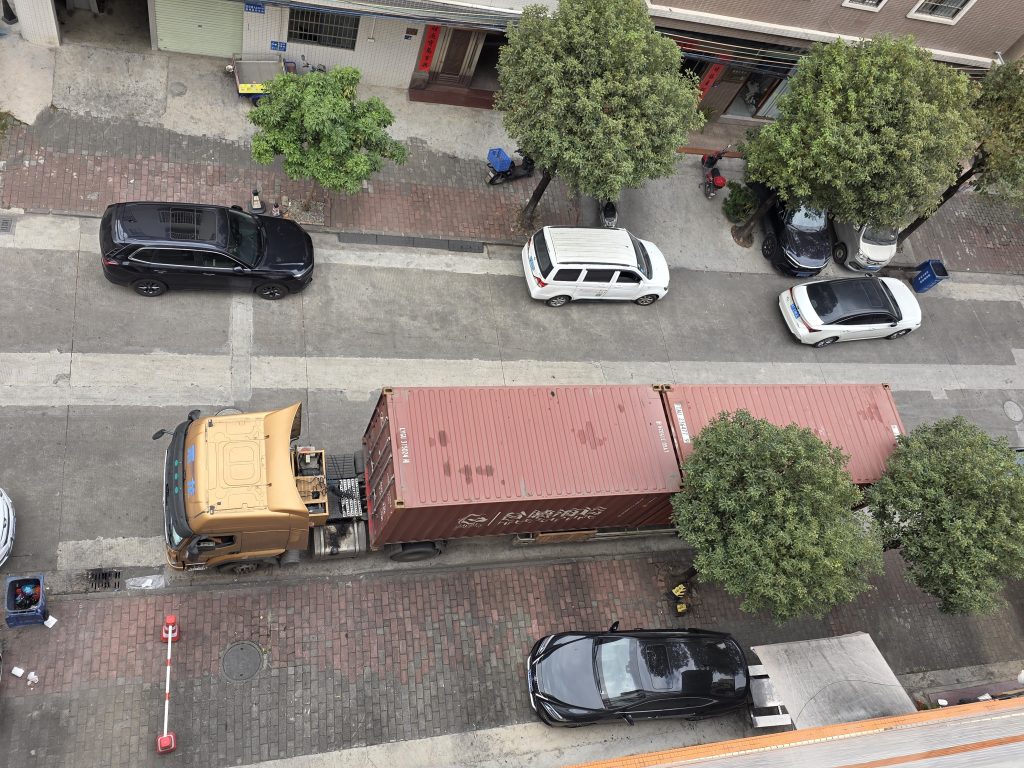
Choosing a supplier with stocked architectural lighting capability helps reduce lighting lead time during expansion stages.
(Internal link to Article 4: In-Stock vs Custom Production)
- Project-Focused Commercial Lighting Supplier
Large commercial lighting projects require more than product supply. They require a partner who understands:
Project timelines
Batch delivery schedules
Technical documentation
After-sales stability
Working with a project-focused commercial lighting supplier reduces risk and ensures long-term performance stability.
For expansion planning, reducing lighting lead time is essential for maintaining construction schedules.
(Internal link to Article 7: How to Reduce Lighting Lead Time)
Conclusion
Selecting lighting for large commercial spaces requires a balance between performance, efficiency, durability, and supply stability.
A professional large commercial lighting system should deliver:
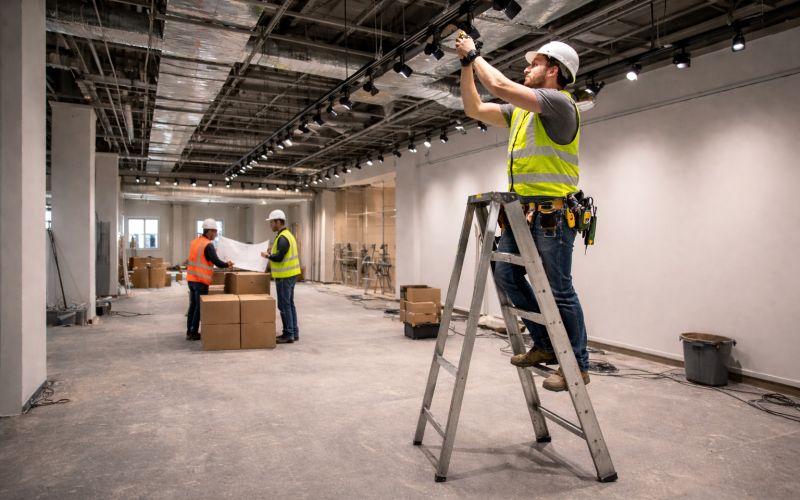
Uniform illumination. In showroom environments, track lighting systems provide flexible positioning and optical consistency.
Energy efficiency
High driver reliability
Effective heat management
Optical consistency
Scalable supply for phased retail rollouts, small quantity retail lighting supply can reduce financial and inventory risk.
Careful planning at the early stage of a commercial lighting project prevents long-term operational and expansion issues.
Choosing the right commercial lighting supplier is not just about price — it is about system stability and repeat supply capability.